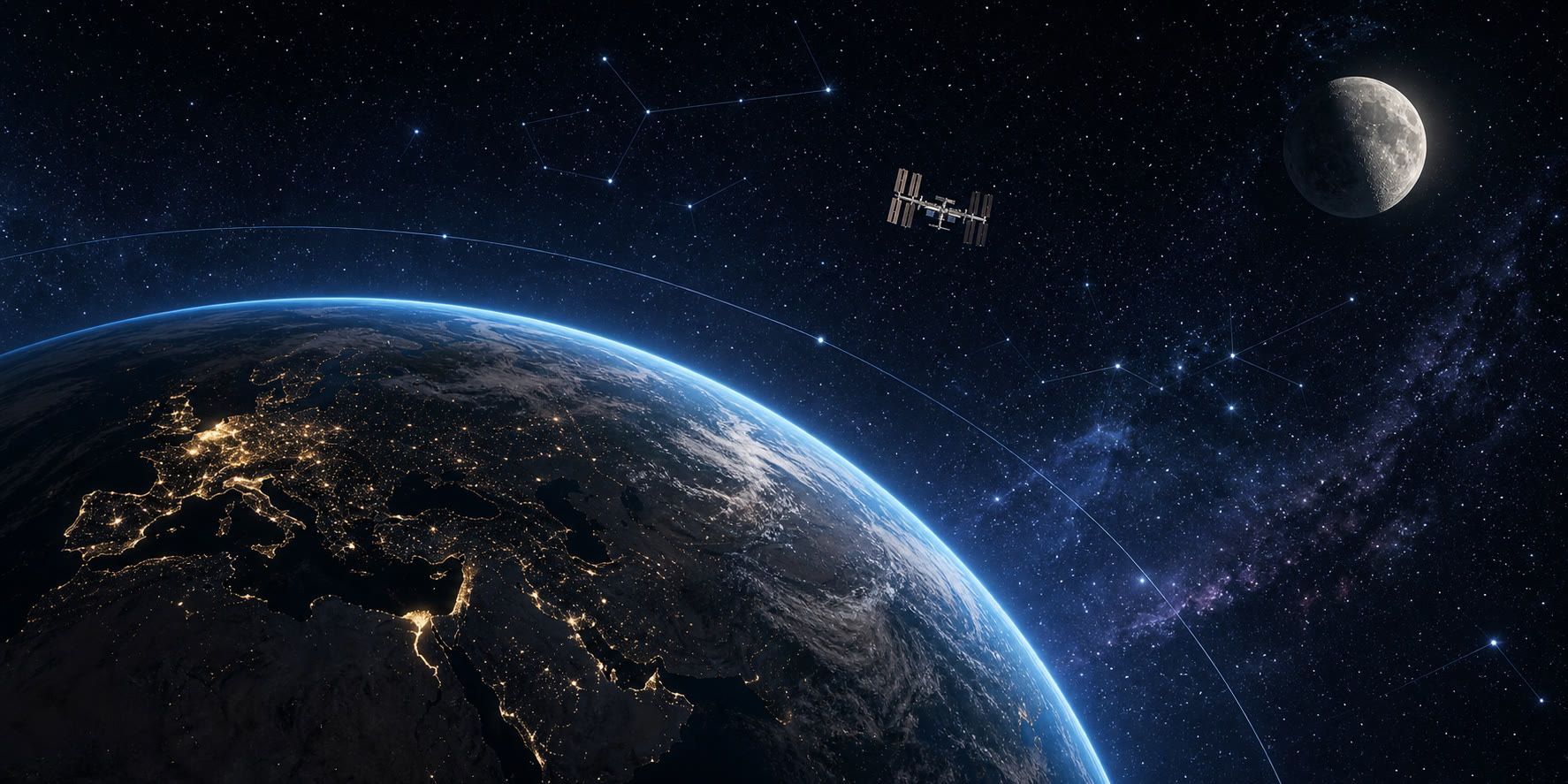
Starry Sky, Moon and ISS on a 3D Globe: Explore Space from Earth
LiveGlobe 3D combines an interactive 3D globe with the starry sky, live moon phases, zenith view and ISS tracking for curious explorers.
Short clips
The app in motion: short, genuine glimpses straight from use.
At a glance
How the app feels on your phone.
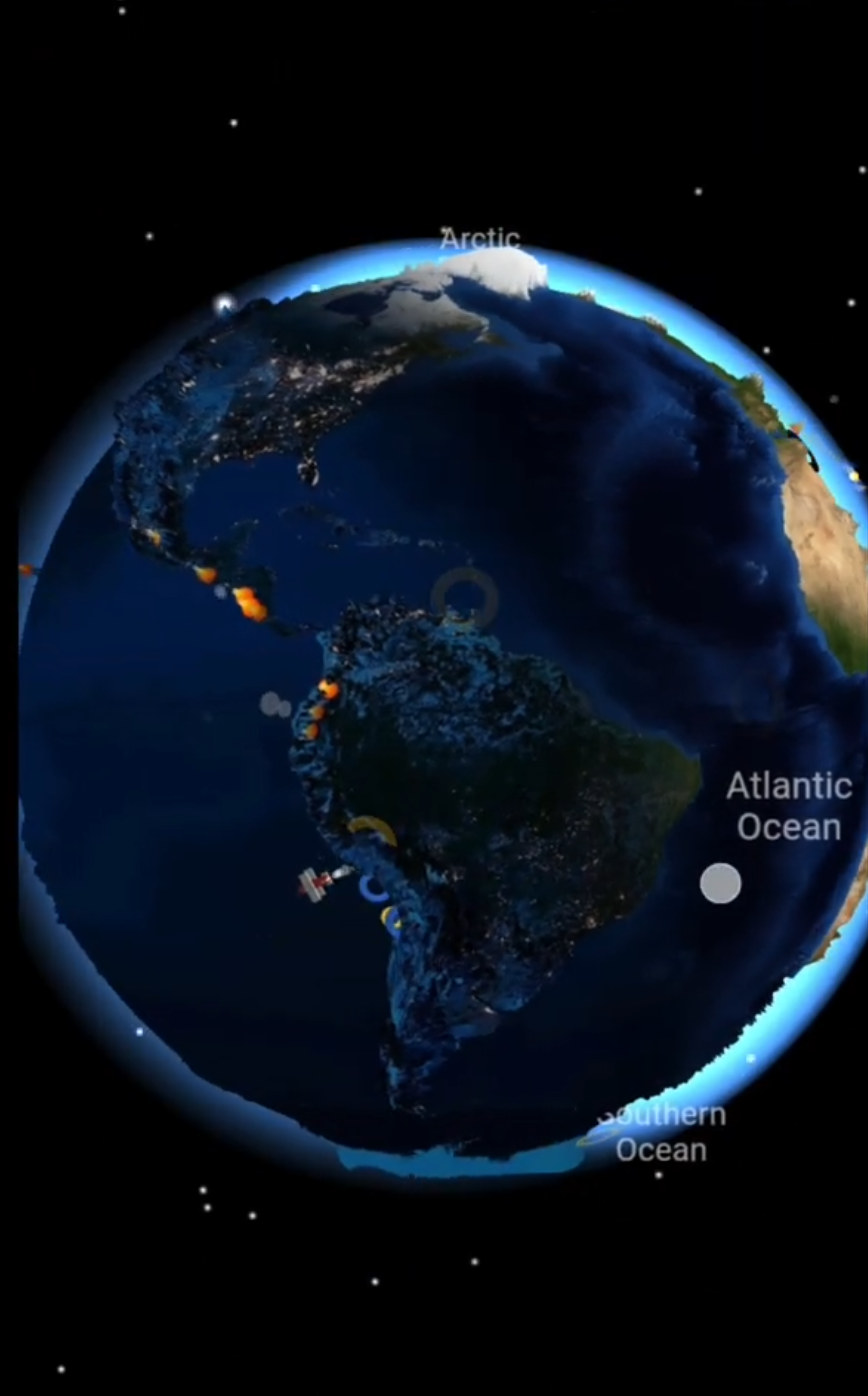
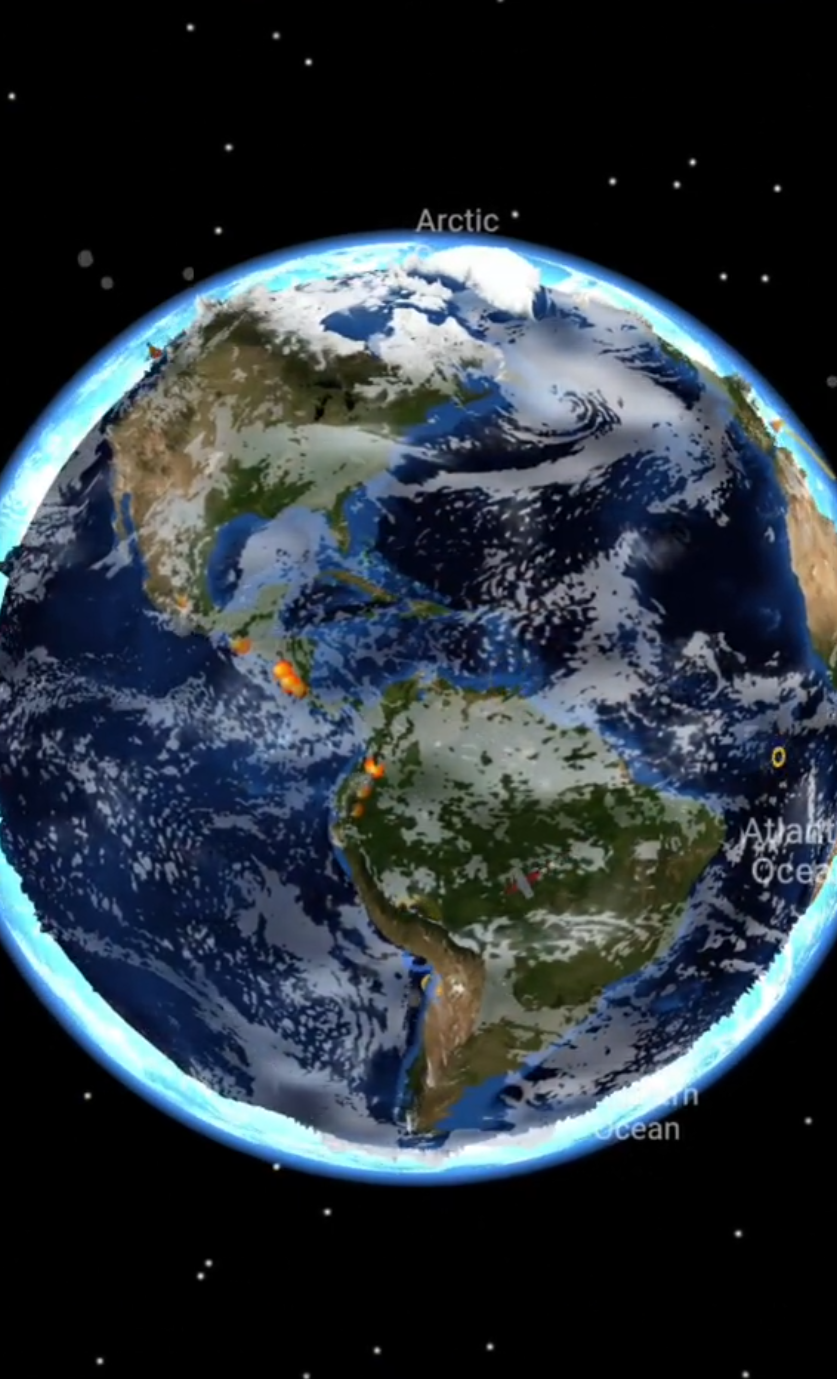
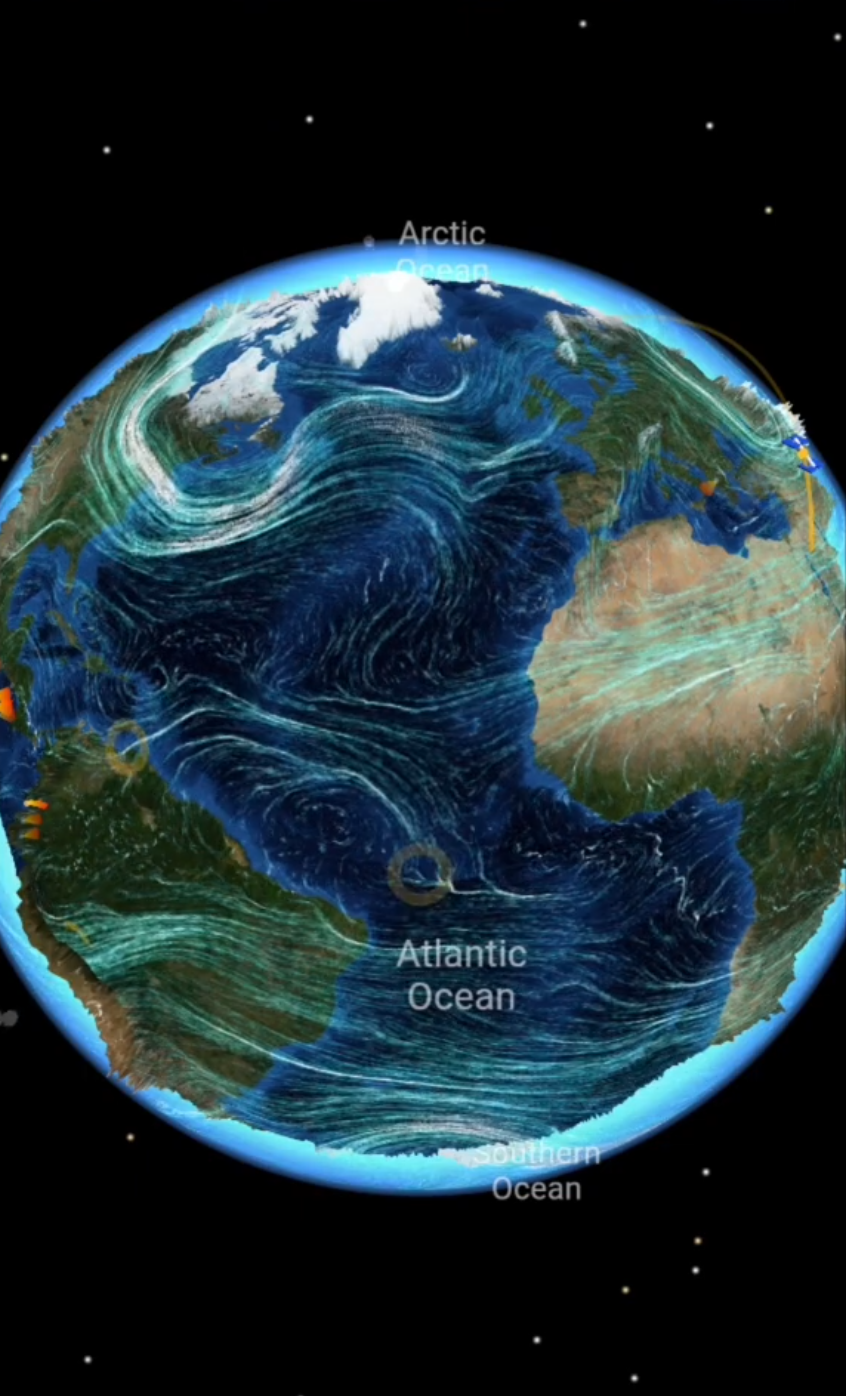
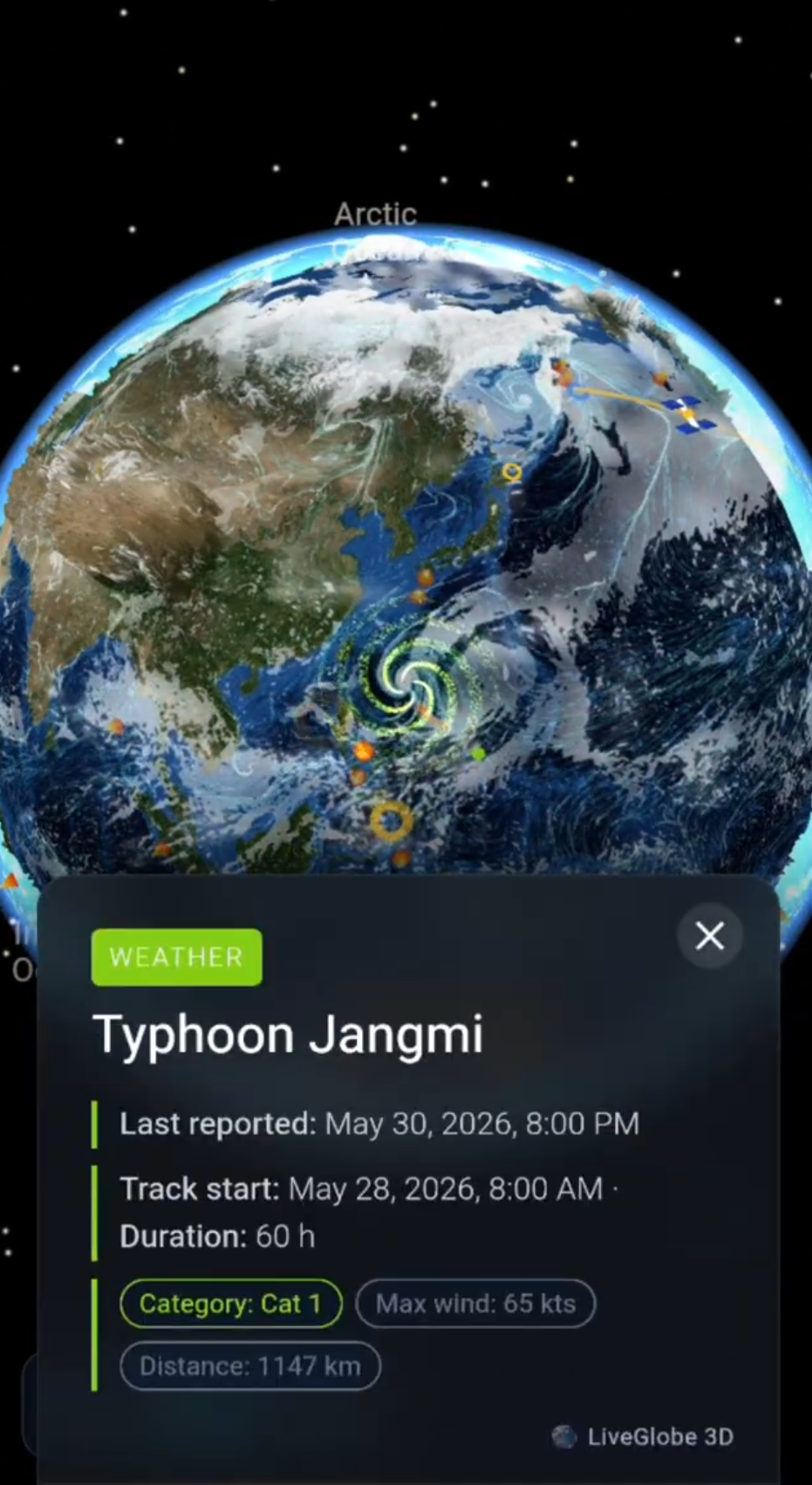
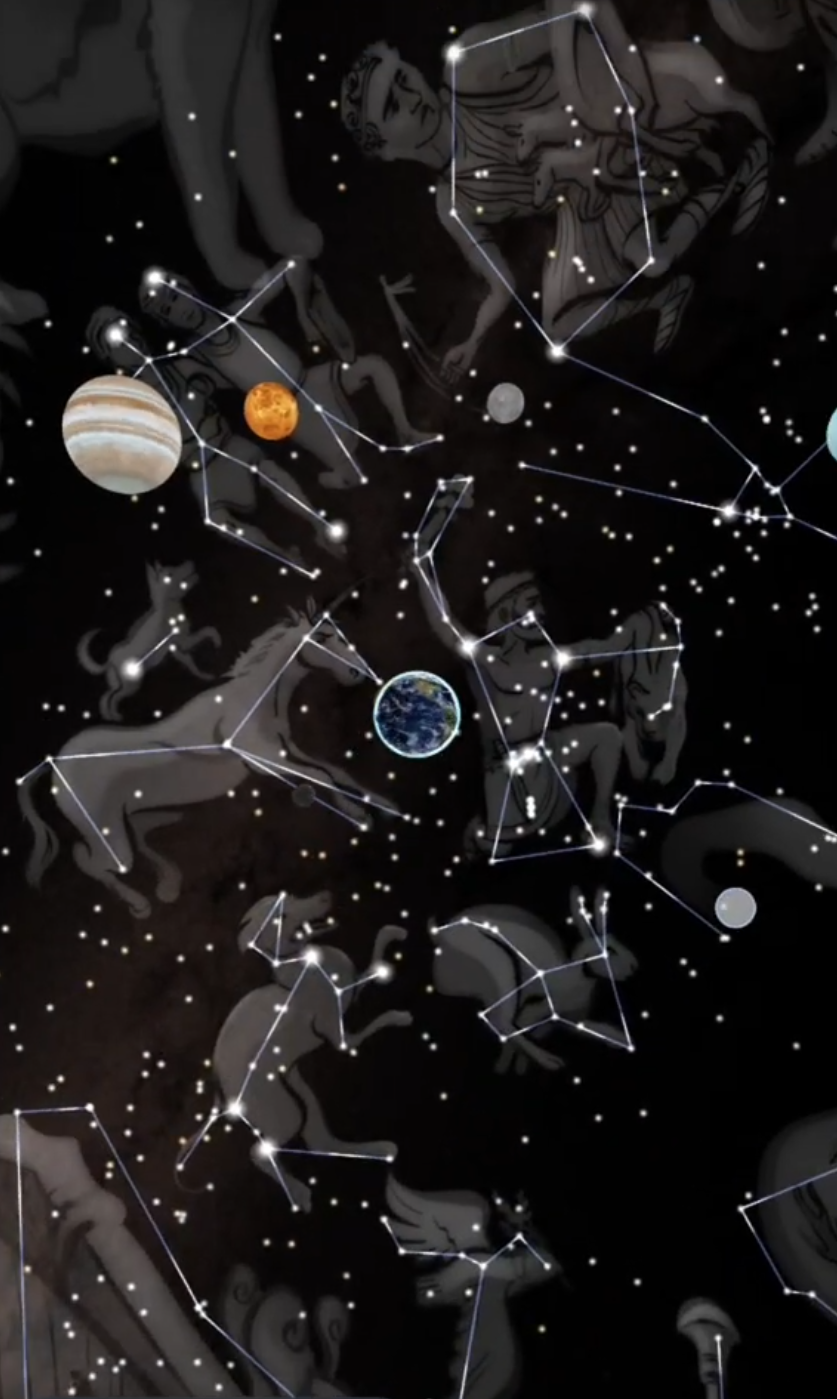
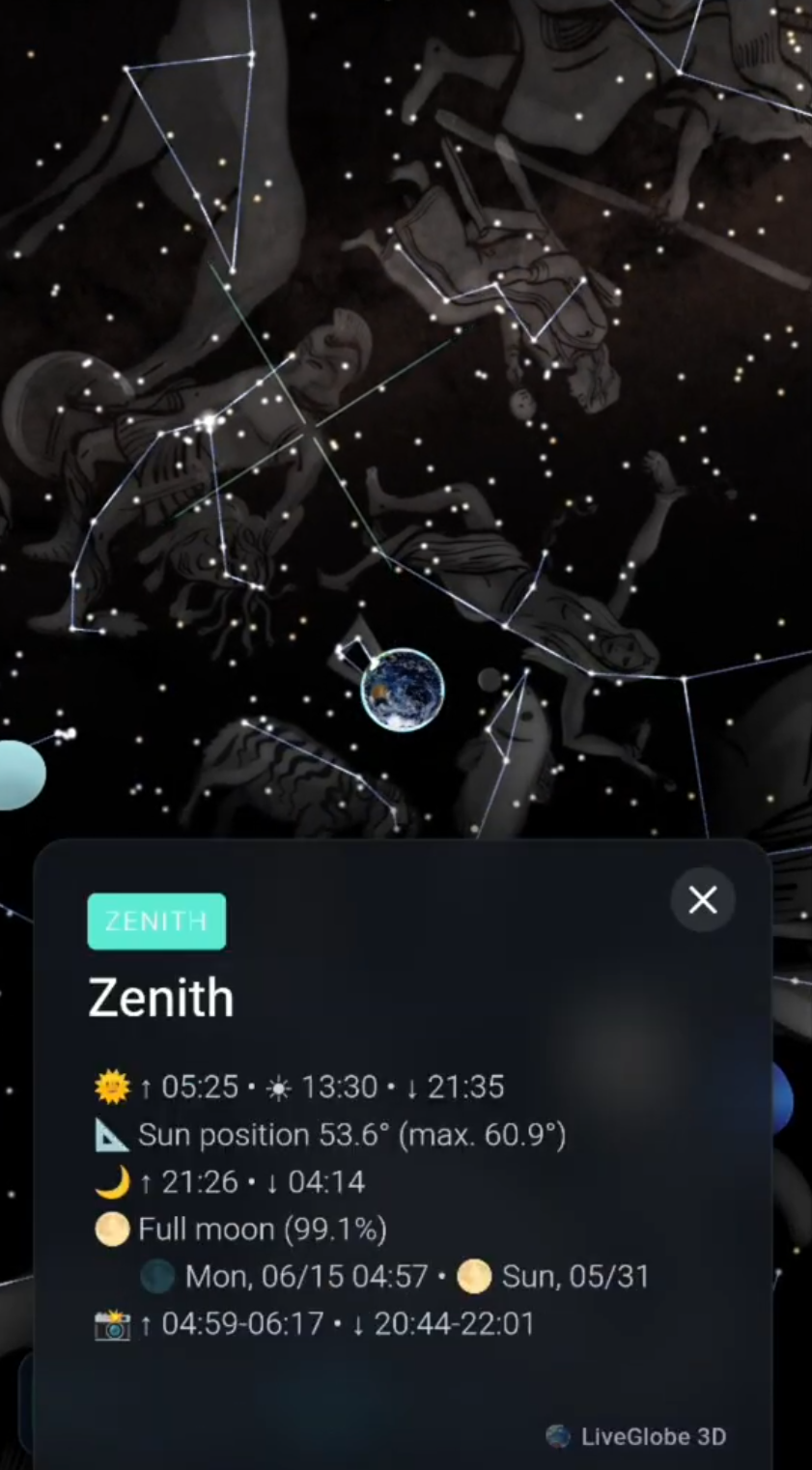
Astronomy becomes easier to understand when it starts from the place we already know: Earth. LiveGlobe 3D links a freely rotatable 3D globe with a sky mode, so the Moon, stars, planets, zenith point and International Space Station feel connected to real places instead of floating in separate charts.
That connection changes the experience. You can explore the planet, switch into the sky, and see how location, time, sunlight and orbit all belong to the same scene.
3D Starry Sky: A Sky You Can Actually Explore
A flat star map is useful, but it can feel distant. In LiveGlobe 3D, the sky becomes part of an interactive scene. Stars, constellation lines, constellation artwork and the Milky Way can be displayed and adjusted, letting you choose between a clean night view and a richer learning mode.
The best part is the context. The globe is not just decoration beneath the sky. It helps you think about where you are, what is above you, and why the night sky changes from one place to another.
Live Moon Phase: The Moon as a Rhythm
The Moon is more than a beautiful object in the sky. LiveGlobe 3D can show its live position, current phase, illumination, moonrise and moonset. That makes it easier to understand why the Moon looks different through the month and why its visibility changes from evening to evening.
For beginners, this is especially helpful. Terms such as new moon, crescent, first quarter and full moon become visual patterns instead of calendar labels. LiveGlobe 3D turns the Moon into something you can follow, not just read about.
ISS Tracker: Spaceflight Above the Planet
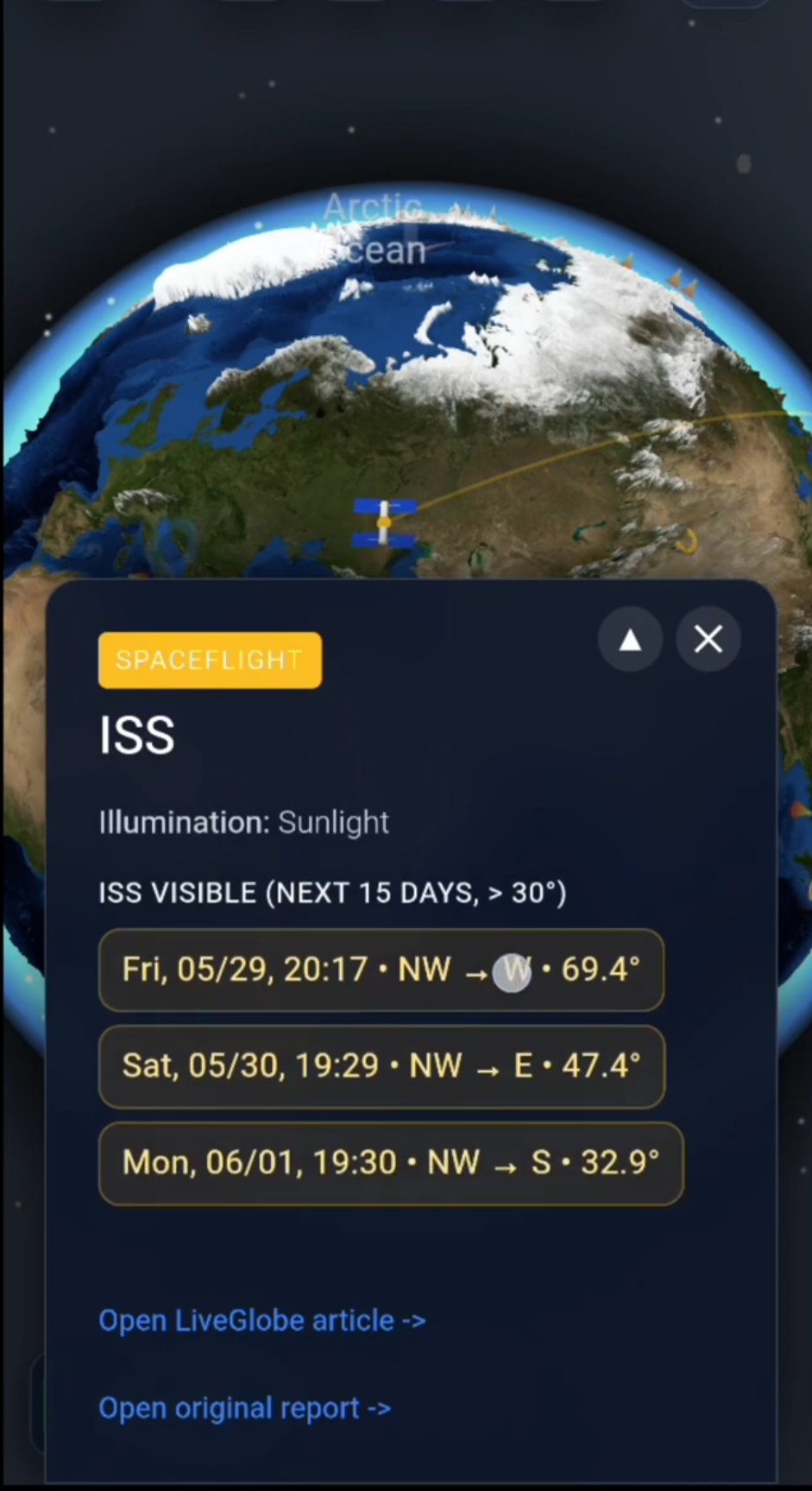
The International Space Station is one of the clearest ways to feel that spaceflight is close to Earth. LiveGlobe 3D can display the ISS as a moving marker and provide details such as altitude, speed and whether it is in sunlight or Earth’s shadow.
When visible pass information is available for your location, the experience becomes even more personal. The ISS is no longer an abstract spacecraft. It becomes an object that crosses oceans, continents and sometimes your own evening sky.
Zenith, Sun and Location: The Sky Belongs Somewhere
One of the most natural astronomy questions is simple: what is above me right now? The GPS zenith feature helps answer that by connecting your position on Earth with a corresponding point in the sky. A zenith crosshair can make the relationship between your location and the sky easier to see.
Sunrise, sunset, solar noon, sun angle and golden hour add another layer. They show that astronomy is not only about nighttime. Light, shadow, Moon visibility and the changing sky all depend on place and time.
Why This Combination Matters
Many tools separate maps, weather, places and astronomy. LiveGlobe 3D brings them together. You can search for a place, inspect local time and weather, switch to the sky, check the Moon, and follow the ISS without losing the global context.
That makes the app useful for education, curiosity and visual presentations. Questions become visible:
- Where is the ISS now?
- When can the Moon be seen from my area?
- Which constellations can I show?
- How do location and zenith connect?
- Why does the sky change with time and position?
Conclusion: From Globe to Sky
The starry sky, Moon and ISS features in LiveGlobe 3D feel like a natural extension of the globe. Earth remains the reference point, while the sky opens above it.
If you want to explore astronomy visually, LiveGlobe 3D offers a direct path: rotate Earth, choose a place, open the sky and watch how the Moon, stars and space station become part of one living world.