Seeing the Moon during the day: Which phase suits which time?
Why can you see the Moon during the day? Match lunar phases to morning or afternoon, with a phase guide, examples and a practical observing routine.
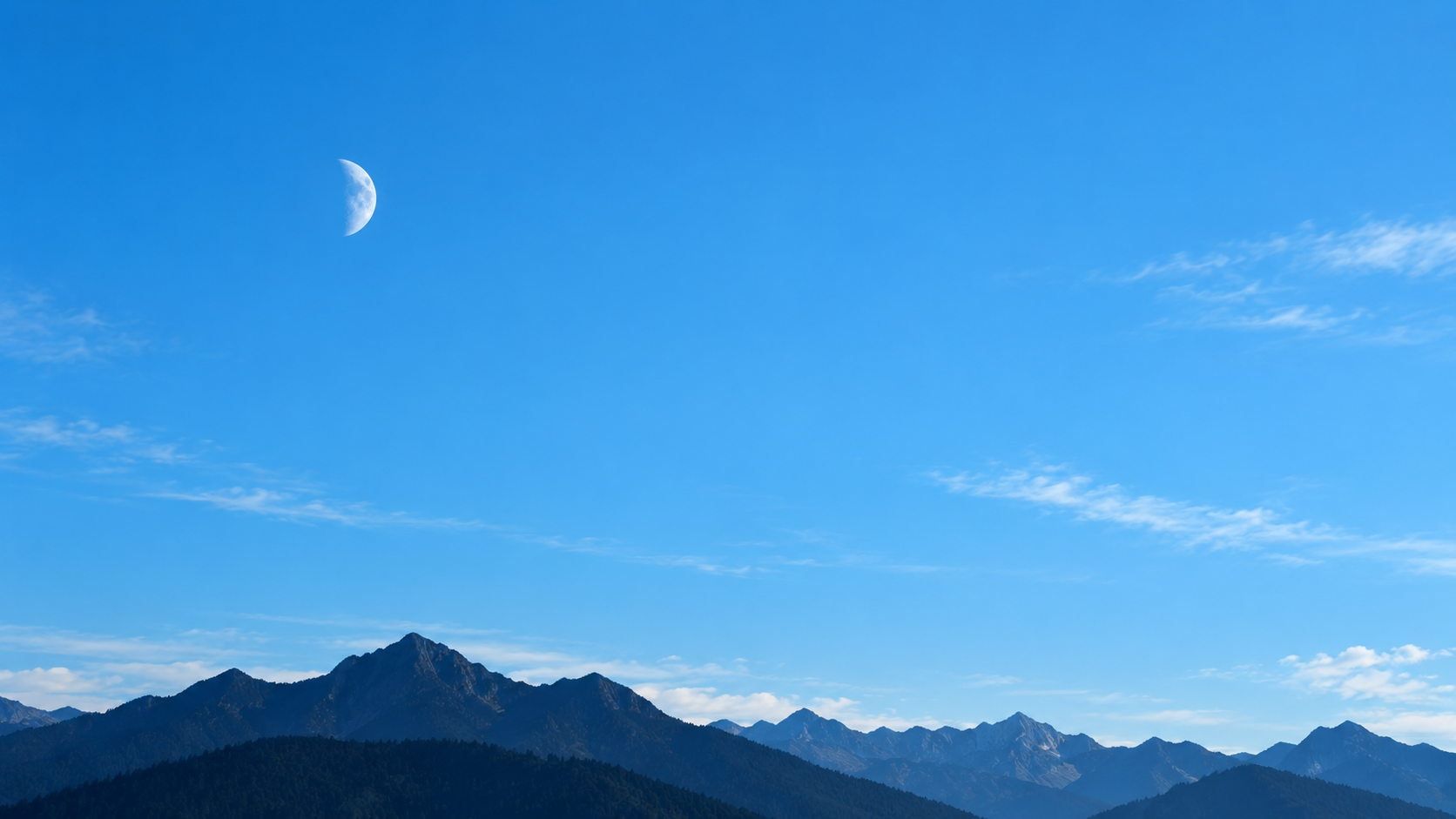
Look up on a bright afternoon and you may spot a pale Moon. It is an ordinary part of the sky: the Moon can be visible in daylight, too. Its phase helps you work out whether to look in the morning or afternoon. A useful starting point is a half Moon: try the afternoon around first quarter, or the morning around last quarter.
You can begin with just your eyes and a clear view of the sky. The phase suggests a time of day; local moonrise and moonset predictions help you turn that suggestion into a plan.
Why isn’t the Moon only visible at night?
The Moon does not produce its own light. It reflects sunlight, and that does not require darkness where you are. If its illuminated surface is above your local horizon and stands out sufficiently against the bright sky, you can see it during the day. NASA explicitly answers yes to the daytime Moon question.
As the Moon orbits Earth, its position relative to the Sun changes from our perspective. We see different amounts of its sunlit half: the lunar phases. Moonrise and moonset times change as well, so the Moon is not tied to nighttime.
Ordinary phases are not caused by Earth’s shadow. That shadow matters during a lunar eclipse. For a daytime sighting, what matters is the Moon’s position in the sky and how much of its sunlit side faces us.
Which phases suit morning or afternoon?
As a rough guide, look for a waxing Moon in the afternoon and a waning Moon in the morning. First quarter and last quarter make the contrast particularly clear. Both look like half Moons, but they belong to different parts of the phase cycle.
This overview draws on NASA’s daytime Moon patterns. It describes approximate times of day at many latitudes, not fixed clock times for your location.
| Phase | Rough rising and setting pattern | Daylight starting point |
|---|---|---|
| New Moon | Rises and sets roughly with the Sun | Not a useful first target: the side facing us is unlit. |
| Waxing crescent | After sunrise to after sunset | Above the horizon before evening, but the slender crescent can be hard to spot. |
| First quarter | Around midday to around midnight | Look for the half Moon in the afternoon. |
| Waxing gibbous | Afternoon to before sunrise | Try later in the afternoon and towards evening. |
| Full Moon | Around sunset to around sunrise | Primarily a nighttime target, rather than one for a bright afternoon. |
| Waning gibbous | After sunset to after sunrise | It may remain in the sky in the early morning. |
| Last quarter | Around midnight to around midday | Look for the half Moon in the morning. |
| Waning crescent | Before sunrise to afternoon | Above the horizon in the morning; the thin crescent is more challenging. |
“Quarter” refers to a point in the phase cycle, not to one quarter of the visible disk. At first and last quarter, about half the disk looks illuminated. Whether the dividing line looks upright or tilted is a separate matter of viewing perspective.
Two straightforward observing examples
Example 1 — an afternoon around first quarter: You want to look for the Moon while out walking. This phase suits the afternoon because the Moon rises roughly around midday and sets roughly around midnight. Check that it is above the horizon at your location, then look with the naked eye for a pale half disk against the blue sky.
Example 2 — a morning around last quarter: After full Moon, the illuminated portion decreases. Last quarter gives you the morning counterpart to first quarter’s afternoon: the Moon rises roughly around midnight and sets roughly around midday. A clear gap in the clouds may offer a chance to spot it.
These are illustrative situations, not predictions for today. They show how to start with the phase and then consider local conditions, instead of searching the same patch of sky at the same time every day.
Above the horizon doesn’t mean easy to see
A moonrise time tells you when the Moon crosses the calculated horizon. It does not tell you whether buildings, a mountain or clouds will hide it from your actual viewpoint. The bright daytime sky also makes the pale Moon less conspicuous.
The phase is only part of the picture. NASA also points to season and location as factors in the timing. “Around midday” does not mean a guaranteed 12:00 on your clock. Use local predictions for the correct date, and check the time zone shown.
A half Moon is often a more straightforward starting point than a very thin crescent. At new Moon, the illuminated side faces largely away from us. Although the Moon is in the daytime sky, it is not an ordinary visible daytime target then.
A four-step observing routine
- Find the phase. Is the Moon waxing or waning? For a first attempt, choose an afternoon around first quarter or a morning around last quarter.
- Check local times. Look up moonrise, moonset and, where available, direction in a local astronomical prediction. Match the date and time zone to your observation.
- Look at the sky and surroundings. Find an unobstructed view in the indicated direction. Clouds and nearby obstacles can hide the Moon even when it is above the calculated horizon.
- Keep a short record. Note the date, location, time, phase and whether you saw it. A quick sketch makes the next attempt easier to compare.
An entry might read: “Location: …, date: …, local morning, last quarter, partly cloudy, Moon spotted through a gap.” Fill in the missing details from your own observation. A few entries turn a passing discovery into a pattern you can follow.
Does the phase look the same everywhere?
The phase is the same worldwide, but the illuminated portion can appear differently oriented. Observers in the Northern and Southern Hemispheres view the Moon from different perspectives. A photograph taken elsewhere need not have the same left-right orientation as your own view (NASA: phases and perspective).
For planning, use a phase label rather than relying entirely on a picture-based mnemonic for waxing and waning. If the familiar surface markings raise another question, read why we almost always see the same side of the Moon.
Explore Earth and sky with LiveGlobe 3D
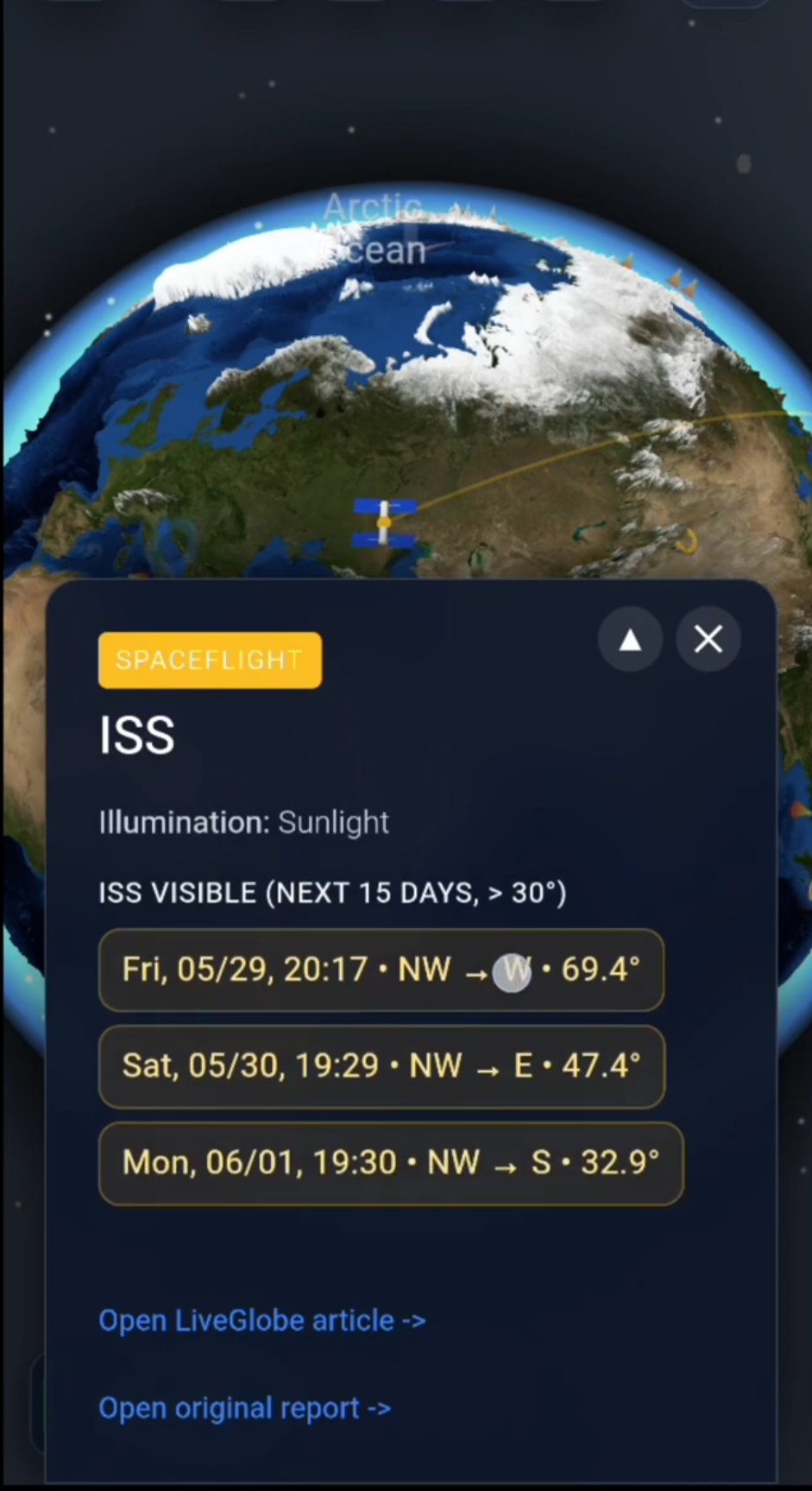
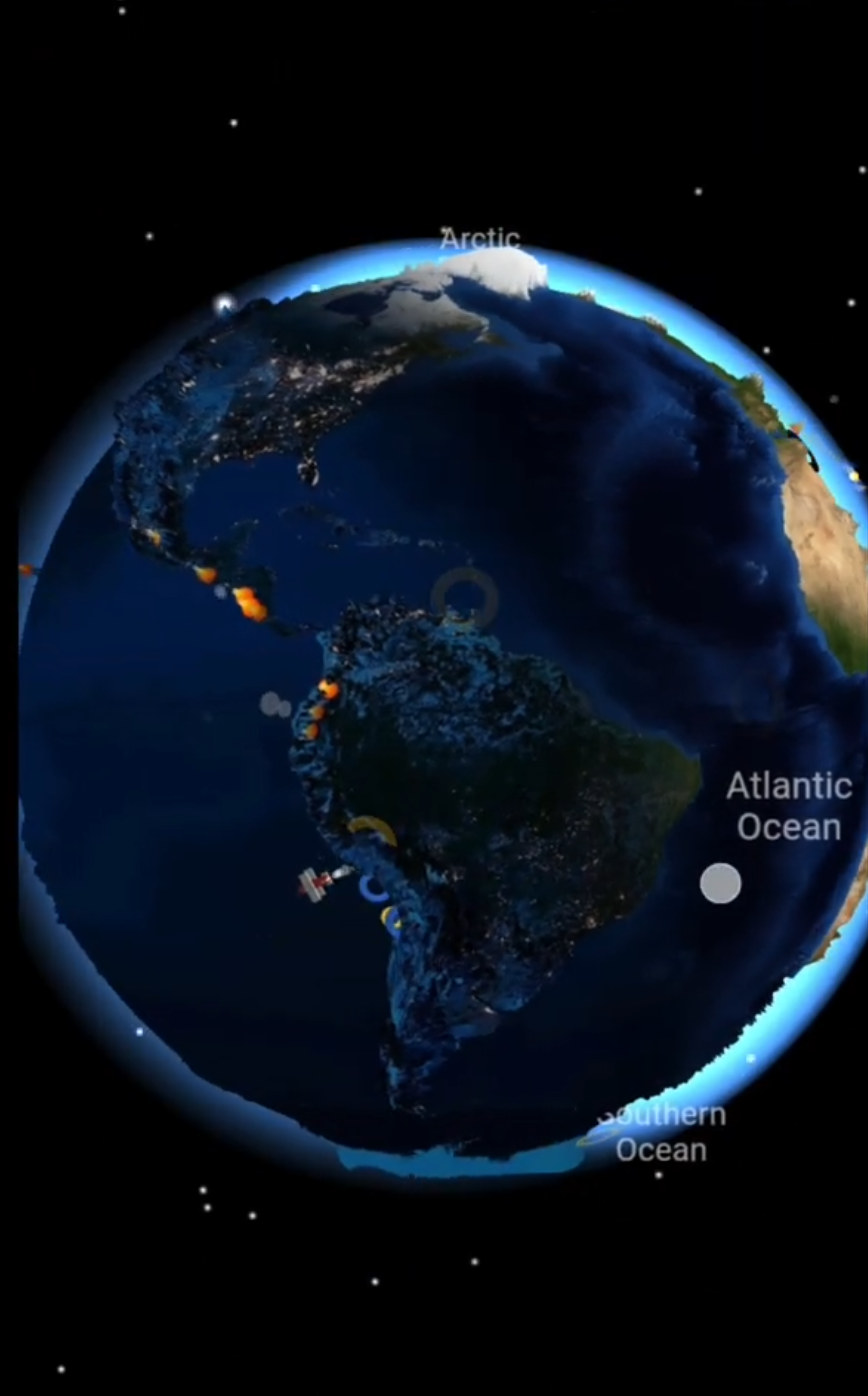
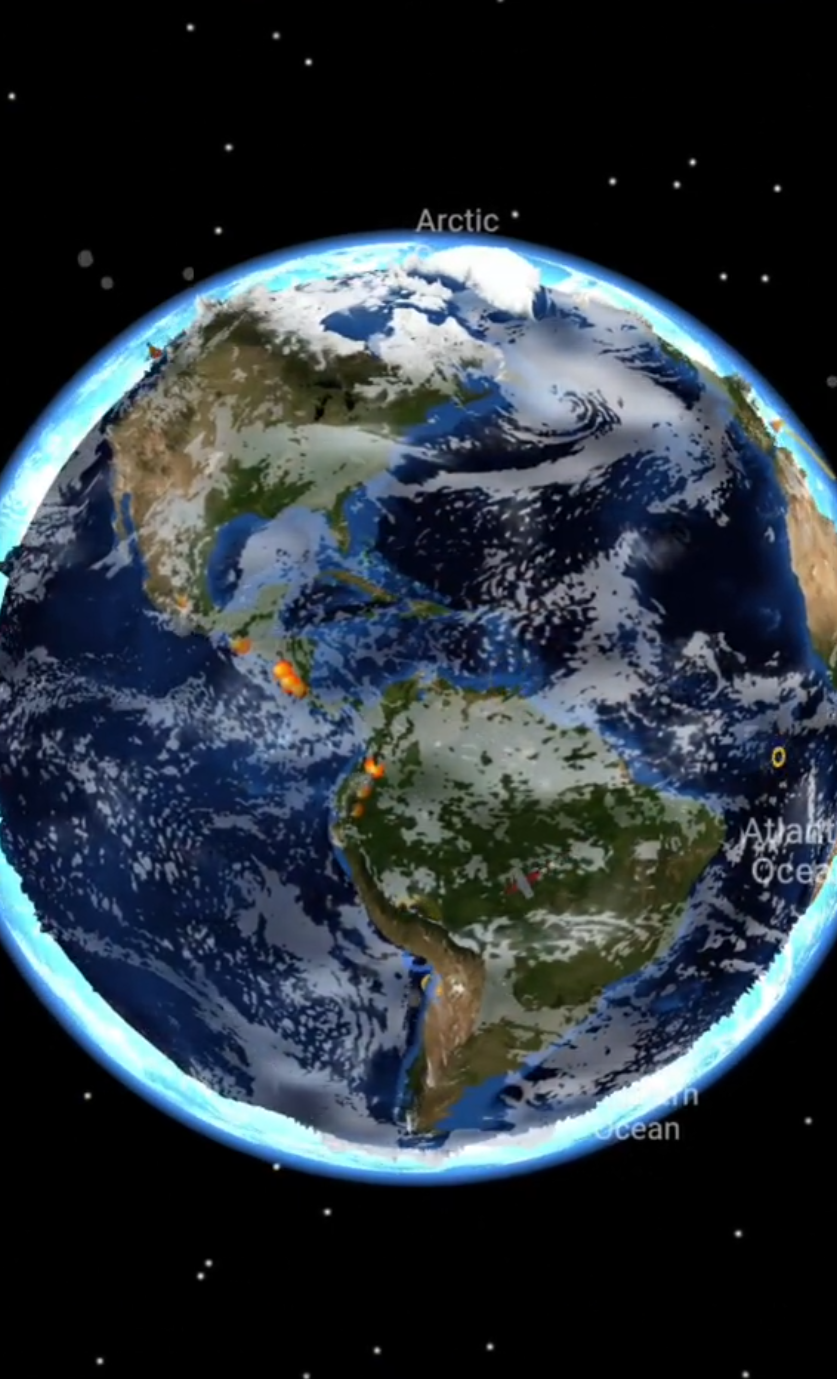
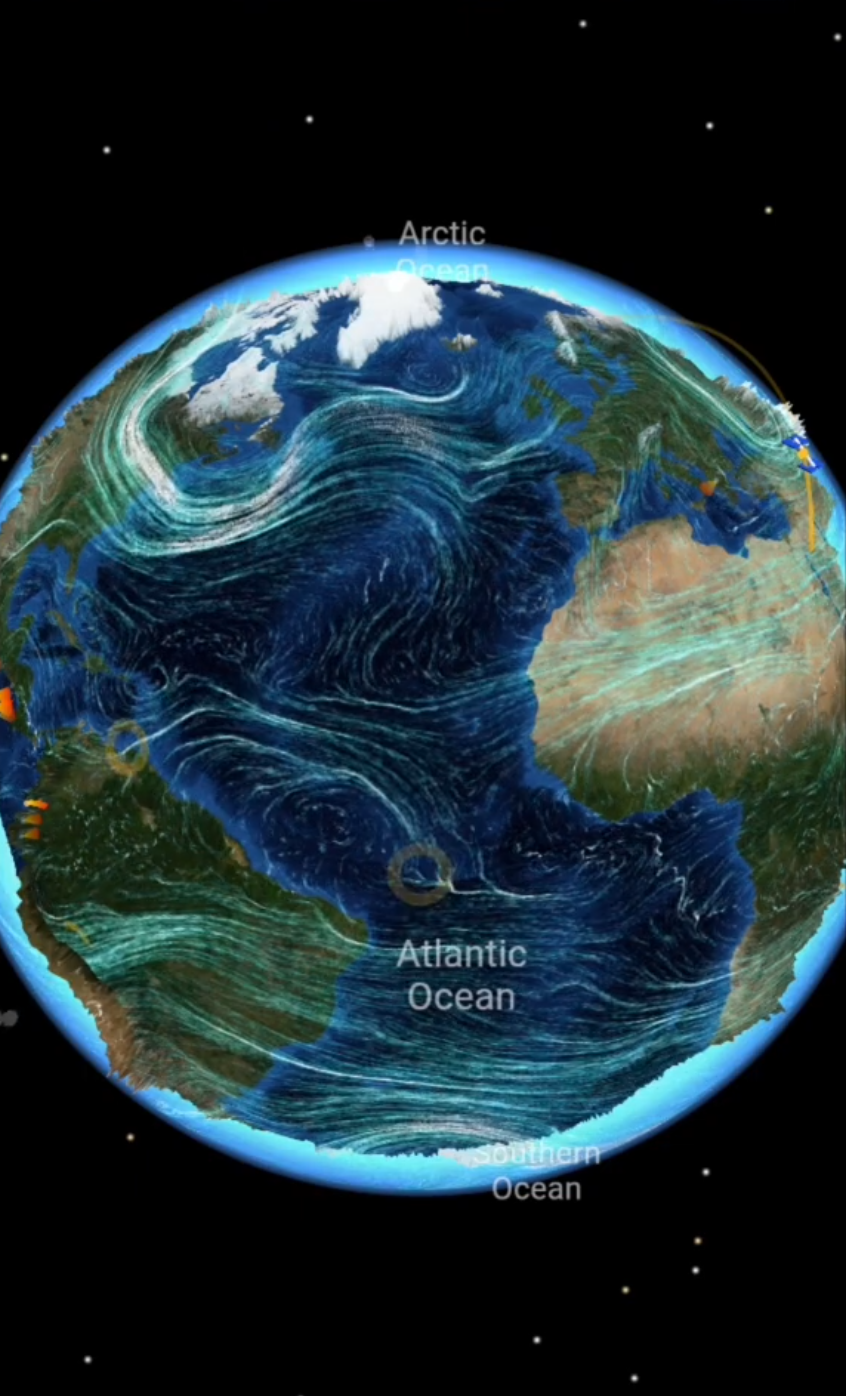
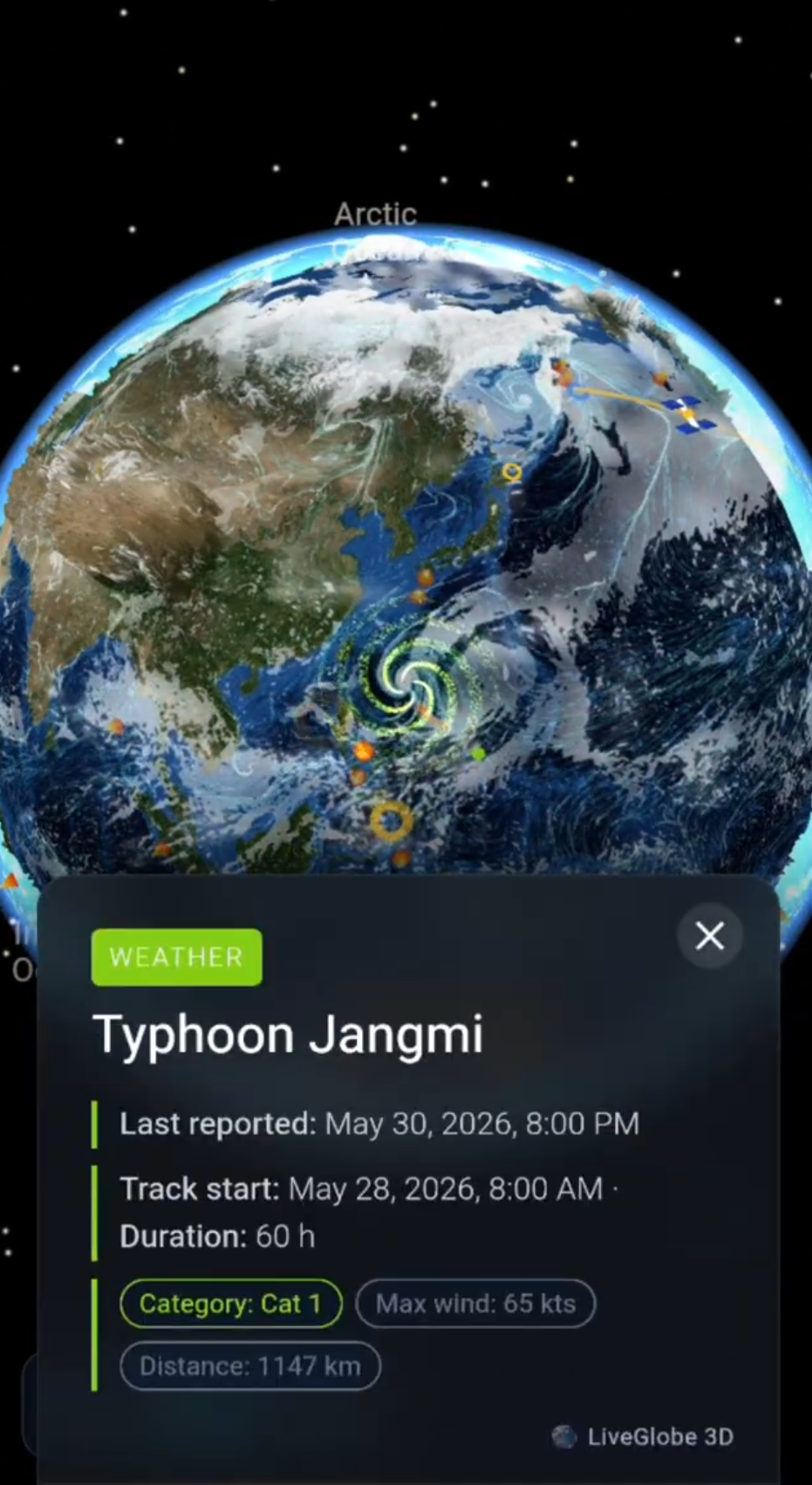
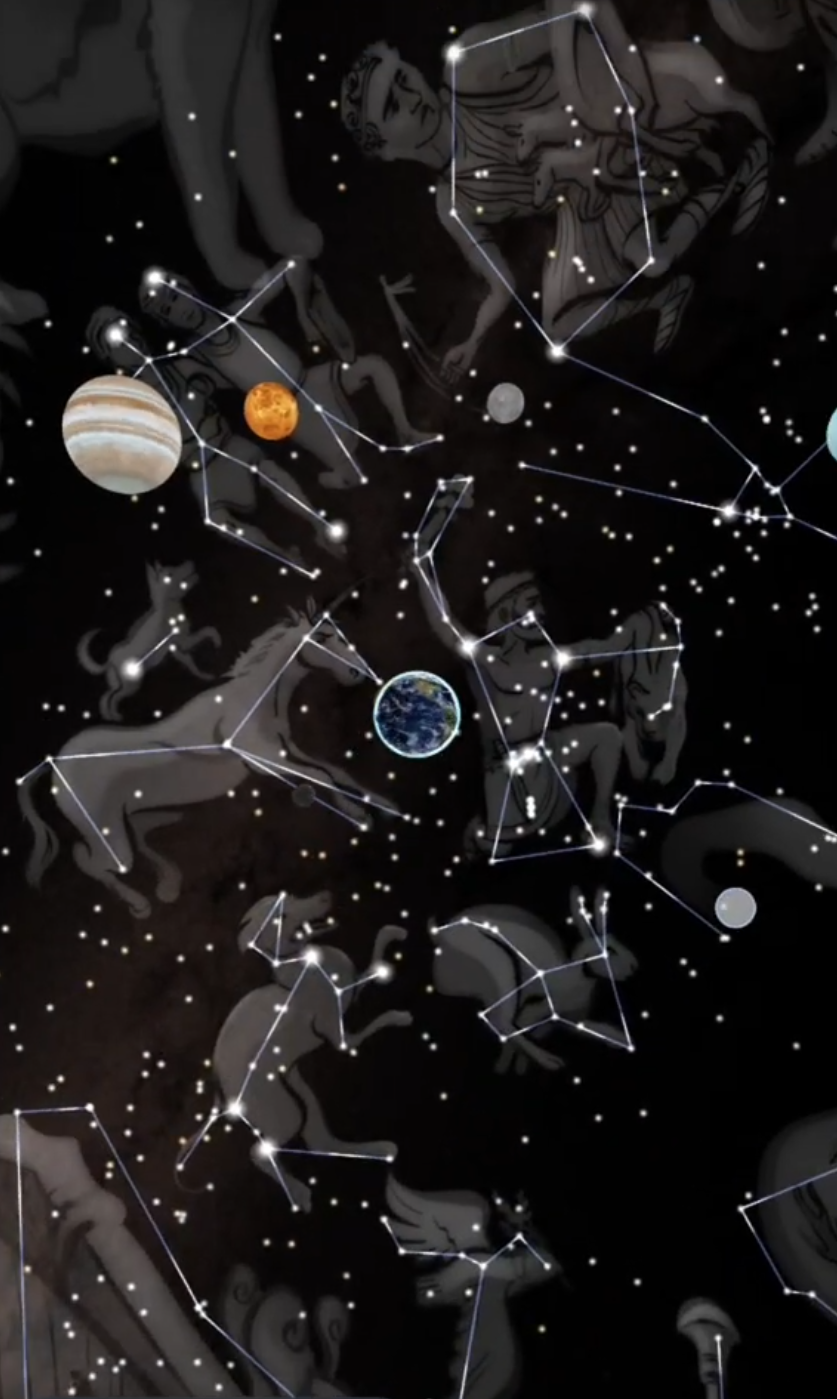
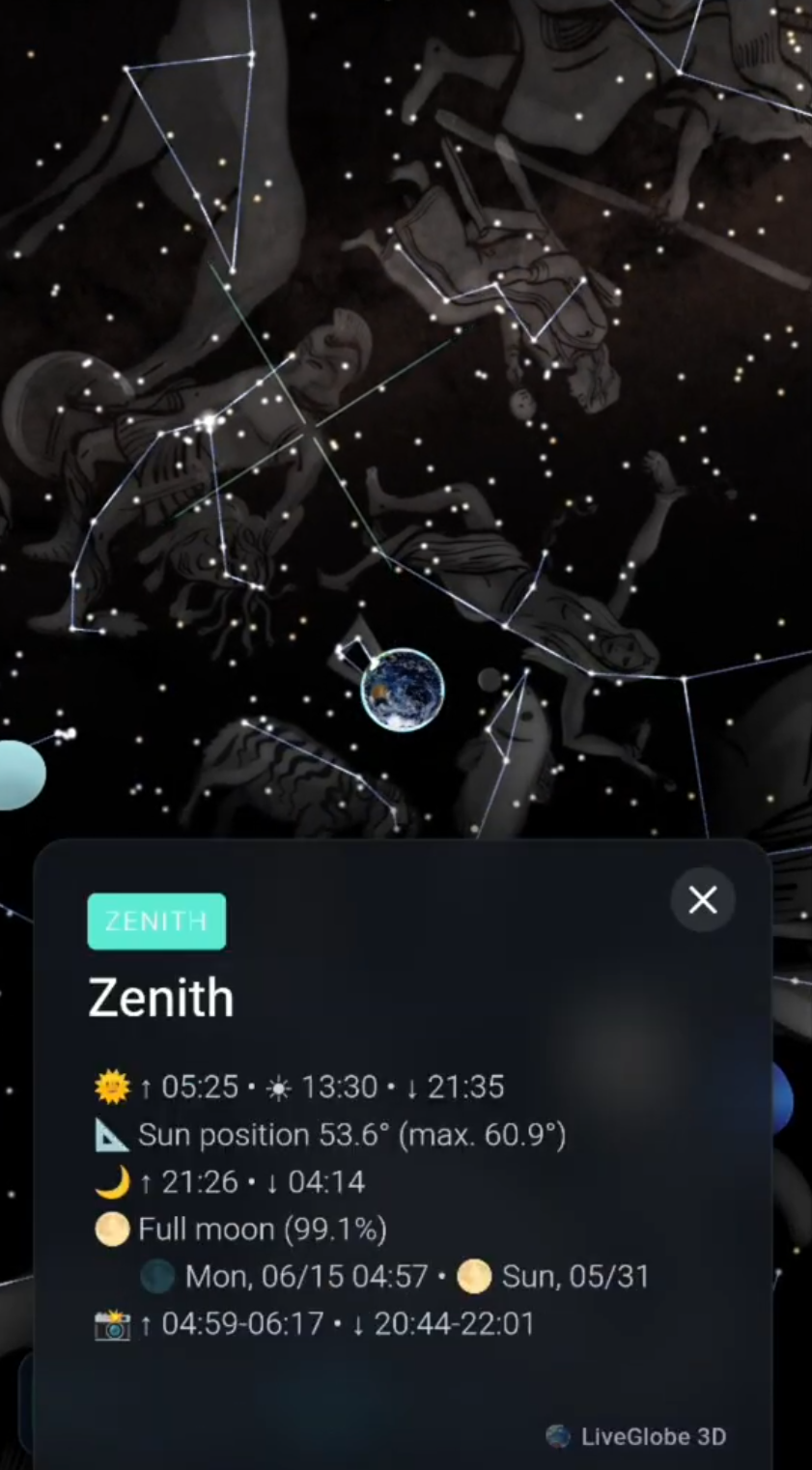
In LiveGlobe 3D, you can rotate and zoom the globe, switch between Earth and sky views, and enable the Moon in the space menu. The web app requires sign-in; additional local astronomical information depends on external services.
Use the views to place your location on Earth and think about the sky spatially. For an actual look outside, combine the phase with local predictions and the sky you can see.
Explore LiveGlobe 3D and the views available to you. The starting rule for your next daytime Moon attempt is simple: first quarter in the afternoon, last quarter in the morning — then check location and viewing conditions.
Short clips
The app in motion: short, genuine glimpses straight from use.
At a glance
How the app feels on your phone.