When can you see the ISS in the sky? A practical guide to visible passes
Find out why some ISS passes are visible and others are not. Learn how sunlight, Earth's shadow, your location and a clear view affect a sighting.
Short clips
The app in motion: short, genuine glimpses straight from use.
At a glance
How the app feels on your phone.
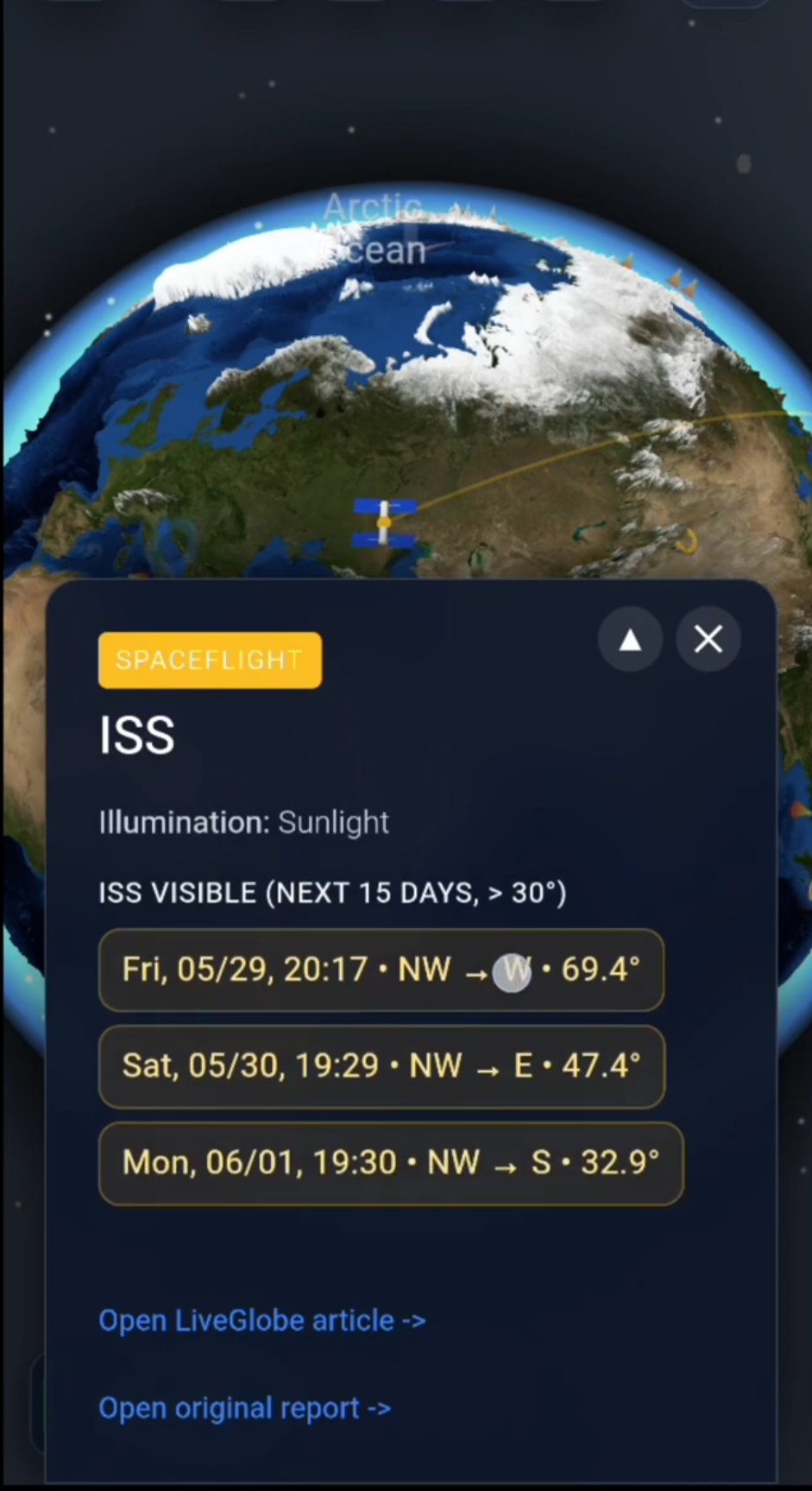
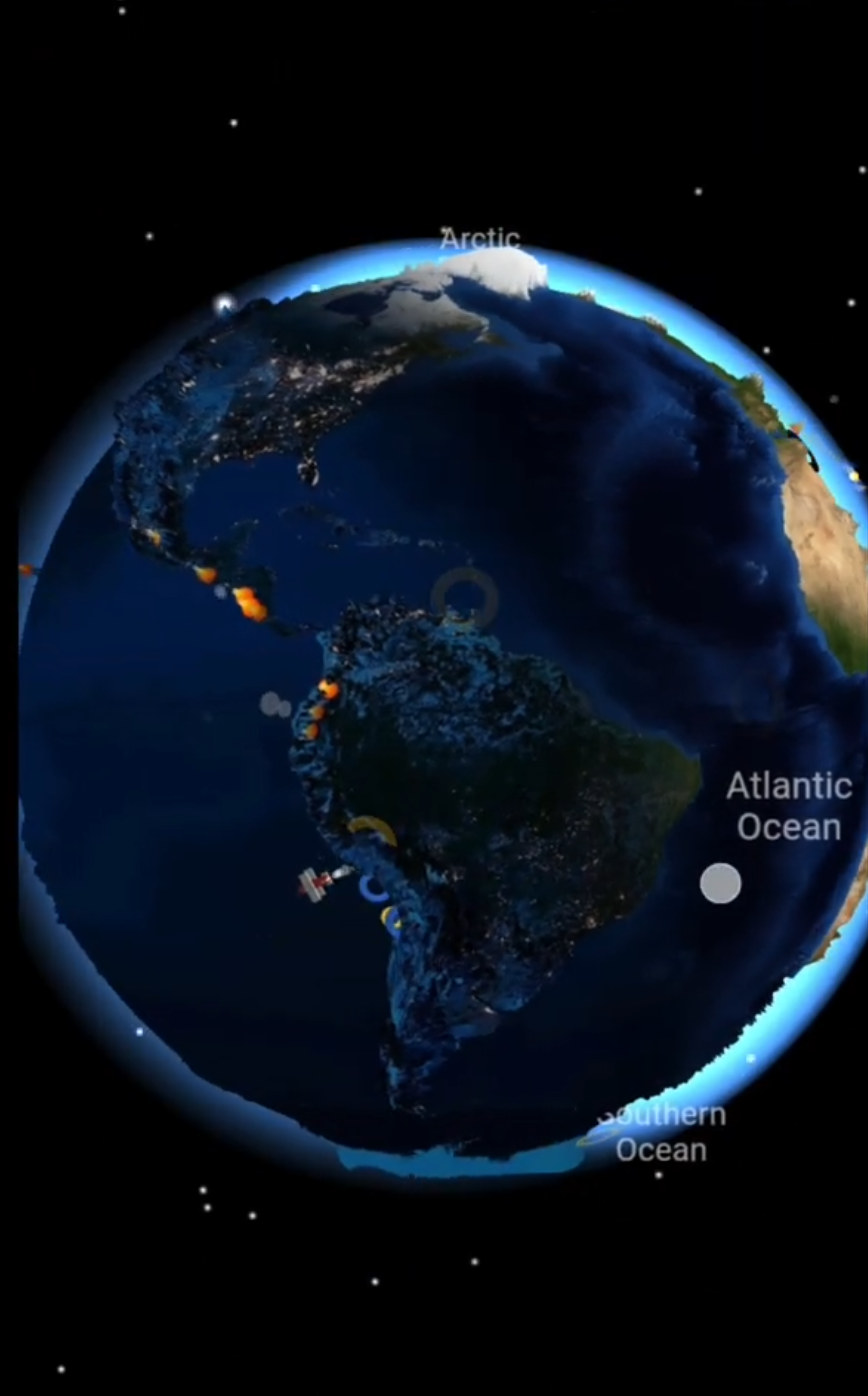
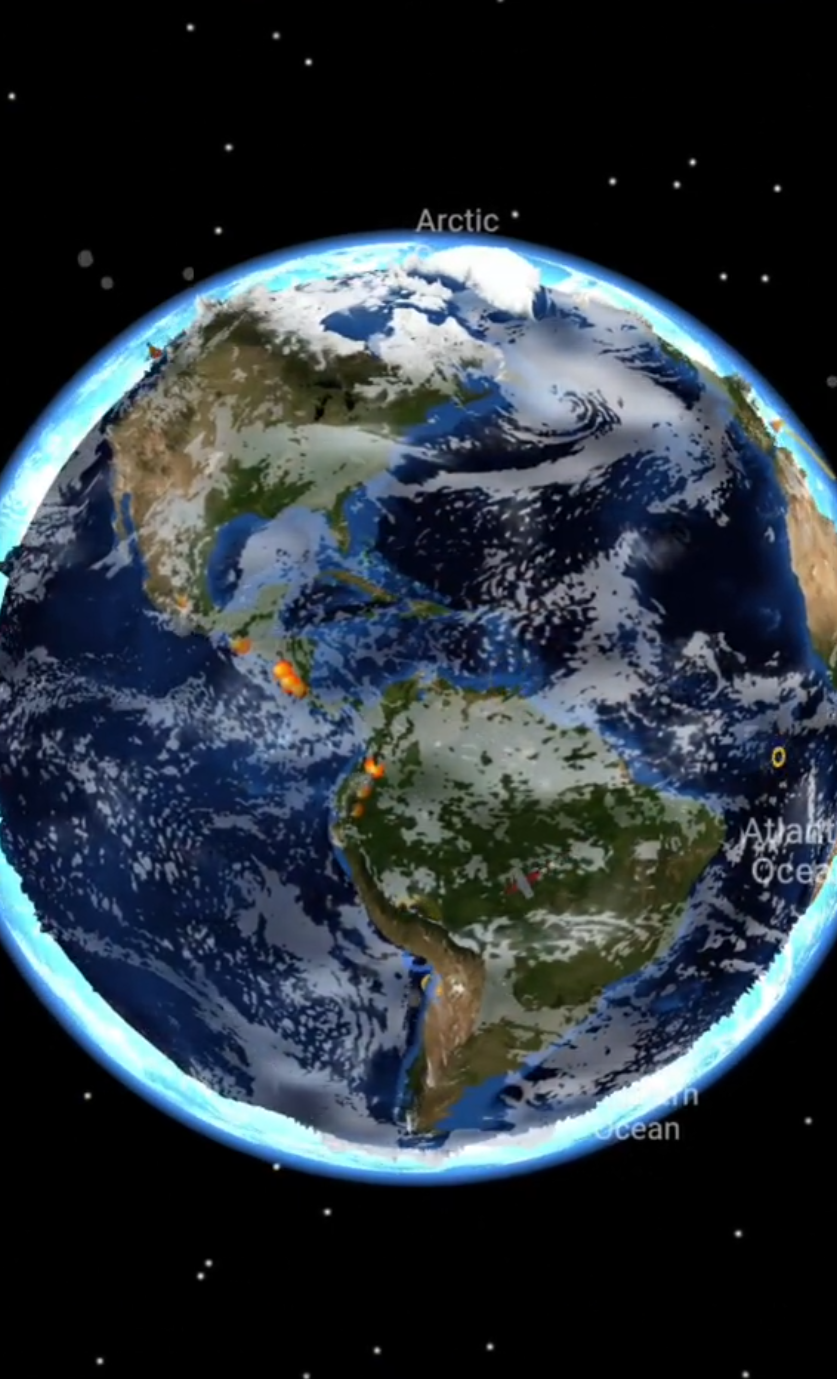
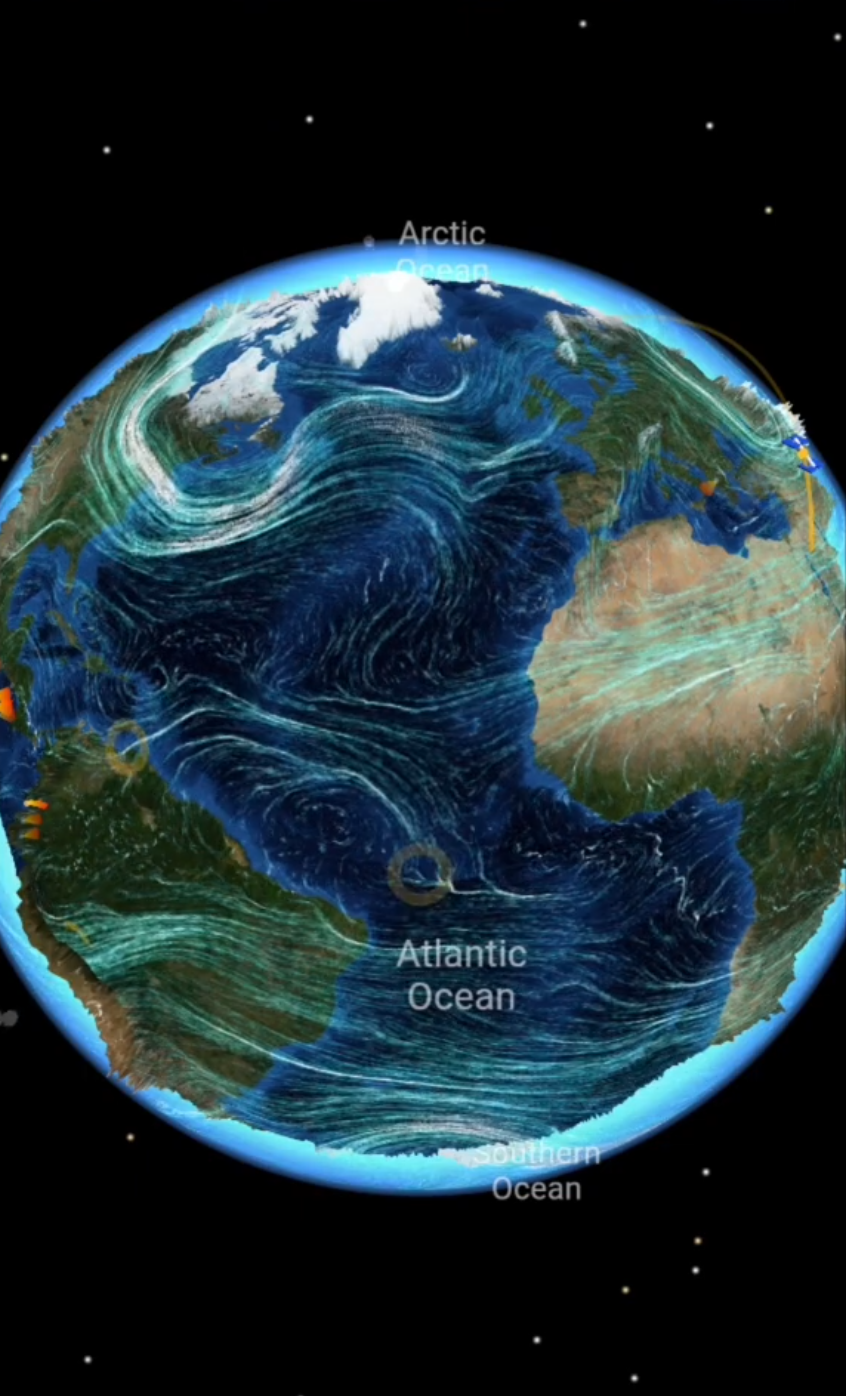
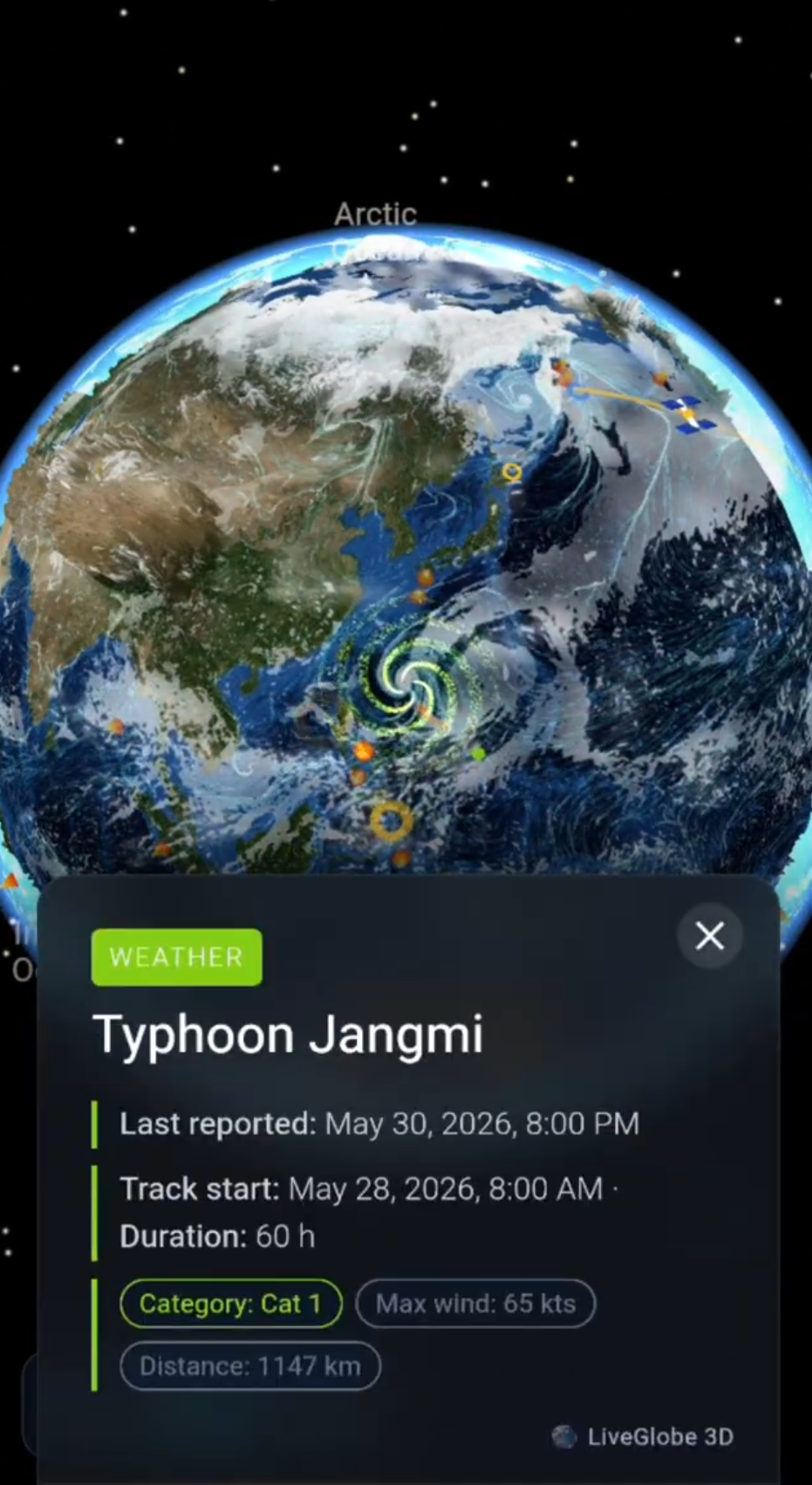
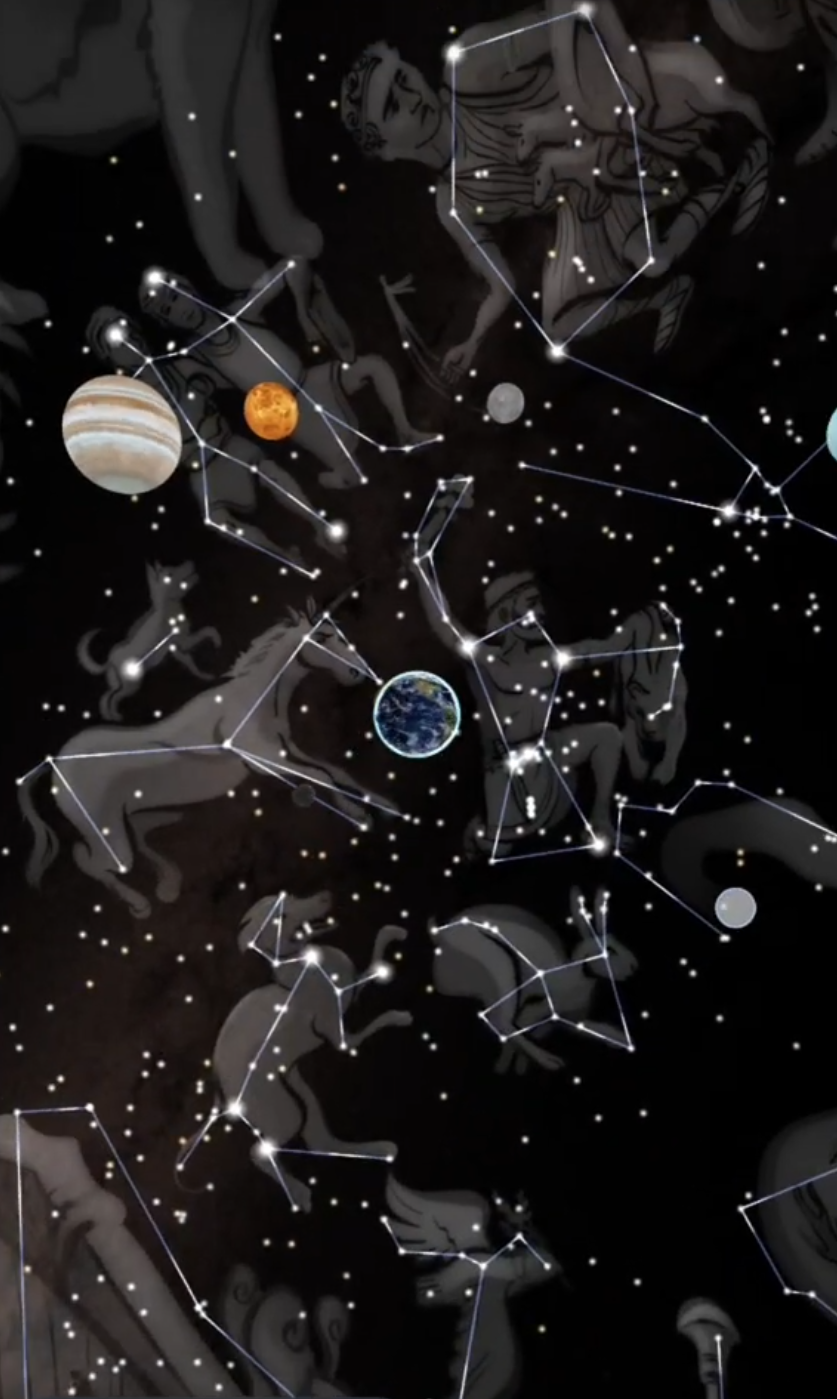
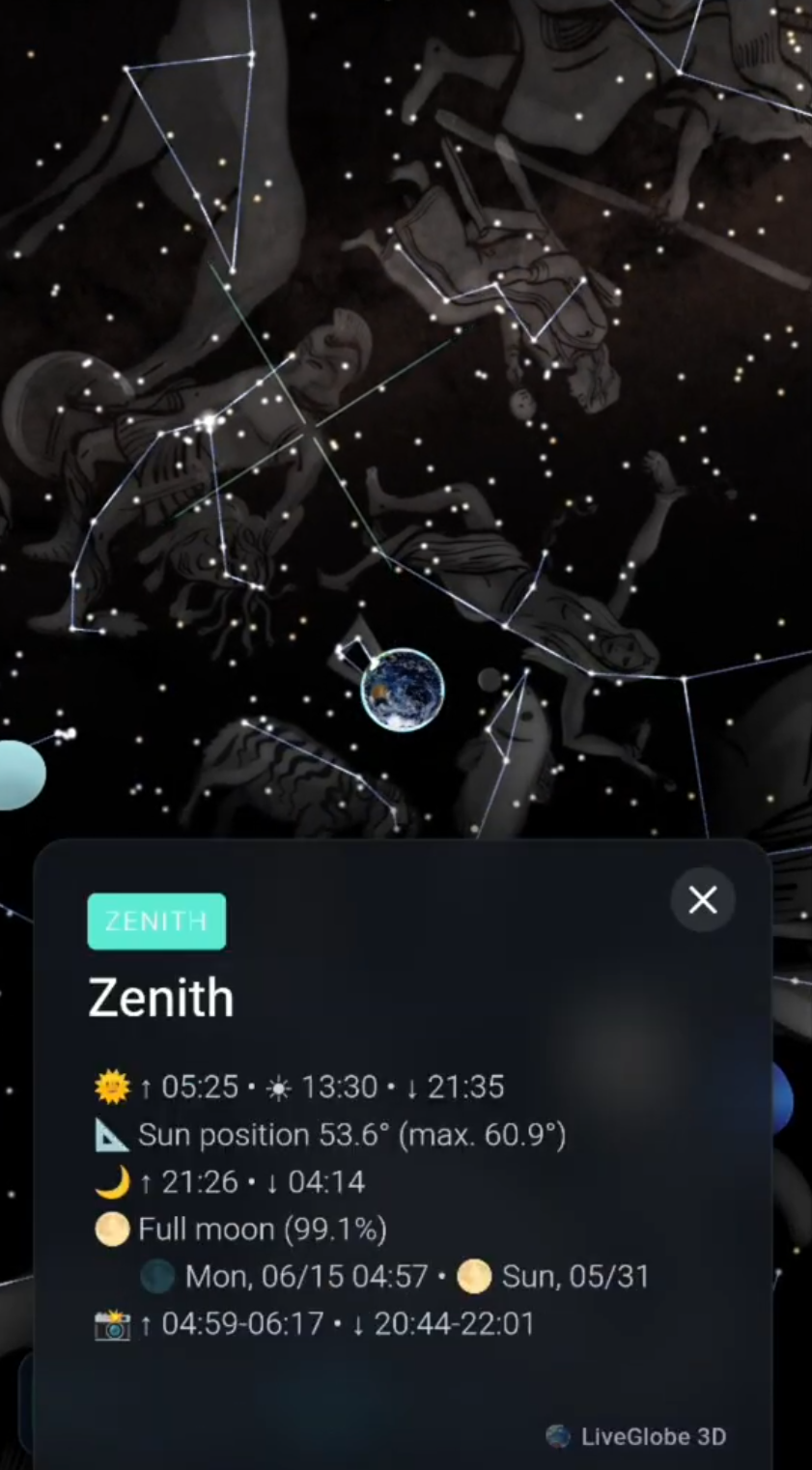
The International Space Station passes over many places, but an overhead pass is not automatically a sighting. To see it, the station needs to reflect sunlight while your sky is dark enough for its light to stand out. Your location, an unobstructed view and the weather matter too. Here is how to tell a promising opportunity from a pass you are unlikely to see.
Why an overhead pass may be invisible
The ISS produces no visible light of its own: you see sunlight reflecting from it. The most promising windows are often shortly after sunset or before sunrise, when the ground is already in twilight but the station can still catch the Sun. NASA’s Spot the Station guide explains why these times work. In bright daylight the station’s light is usually lost against the sky; at other times its path may take it into Earth’s shadow.
That is why a dot moving across a globe is not the same thing as a visible pass from your location. Clouds can hide the ISS even when the lighting is favorable; buildings or trees may block the part of the sky where it would appear. NASA’s sighting FAQ distinguishes passes from actual viewing opportunities. Think of a predicted sighting as a chance, not a guarantee.
Read a sighting forecast, not just a position map
Before heading outside, look up a current, location-specific list of visible passes, such as NASA Spot the Station. Check the local start time, how long the station is expected to remain visible, where it first appears and disappears, and its maximum height above the horizon. In NASA’s guide, zero degrees means the horizon; 90 degrees is directly overhead. A low pass may be harder to spot from a street lined with tall buildings.
For example—made up for illustration, not a real forecast—suppose a listing says the ISS appears in the west, reaches 45 degrees and disappears in the east. You would start by scanning above the western horizon, then follow the moving point across the sky. The real directions and duration depend on your actual forecast and location; NASA presents its sighting times in the selected location’s local time zone.
A five-step plan for your next attempt
- Choose your location. Check visible passes for where you will observe, rather than relying on the station’s current position alone.
- Note the route. Record the start time, first direction, maximum height and expected duration. A position on the world map will not tell you where to look in your sky.
- Check the view. Look for cloud cover and choose a place without trees or rooftops blocking the relevant direction.
- Arrive early. Give yourself a few minutes to find the horizon and scan the area where the pass should begin.
- Review the result. If you see nothing, check the sky conditions and directions before trying another predicted pass. A missed sighting does not mean the station stopped orbiting.
No telescope is needed to see the moving light point when conditions are right, as NASA’s FAQ confirms.
What does the ISS look like?
To the naked eye, the ISS can resemble a bright star traveling steadily across the sky. NASA notes that, unlike a typical airplane, it does not flash or suddenly change direction. A bright moving point by itself is not proof: compare its timing and route with your up-to-date sighting list.
It can also appear to vanish before it reaches the horizon. One explanation is that it has entered Earth’s shadow and is no longer reflecting direct sunlight toward you; NASA describes how this can shorten the visible section of a pass in its FAQ. A passing cloud can have a similar effect.
What can a 3D globe add?
A sighting forecast tells you where to look. A globe helps you picture a different part of the story: the station’s relationship to Earth and the planet’s day and night sides. LiveGlobe 3D offers an interactive globe with a day–night view, plus astronomy views for the ISS and visible passes. It adds spatial context; whether you actually spot the station still depends on sunlight, your location and the view from the ground. For a broader tour of the astronomy features, see Starry Sky, Moon and ISS on a 3D Globe.
Quick questions
Do I need a telescope? No. A visible pass can be seen with the naked eye, provided the sky and viewing conditions cooperate (NASA FAQ).
Why did I miss a pass? An orbit shown on a map is not necessarily a visible sighting. The station might be in shadow, the sky might be too bright, or clouds and obstacles may be in your way. Check a visible-pass forecast for your location before the next attempt (NASA).
Find a suitable pass, look up—and afterward explore the wider picture on the LiveGlobe 3D globe.