Why does thunder follow lightning? How to estimate the distance
Why thunder follows lightning, how to estimate distance in miles or kilometers, and why a long rumble cannot pinpoint a strike or give an all-clear.
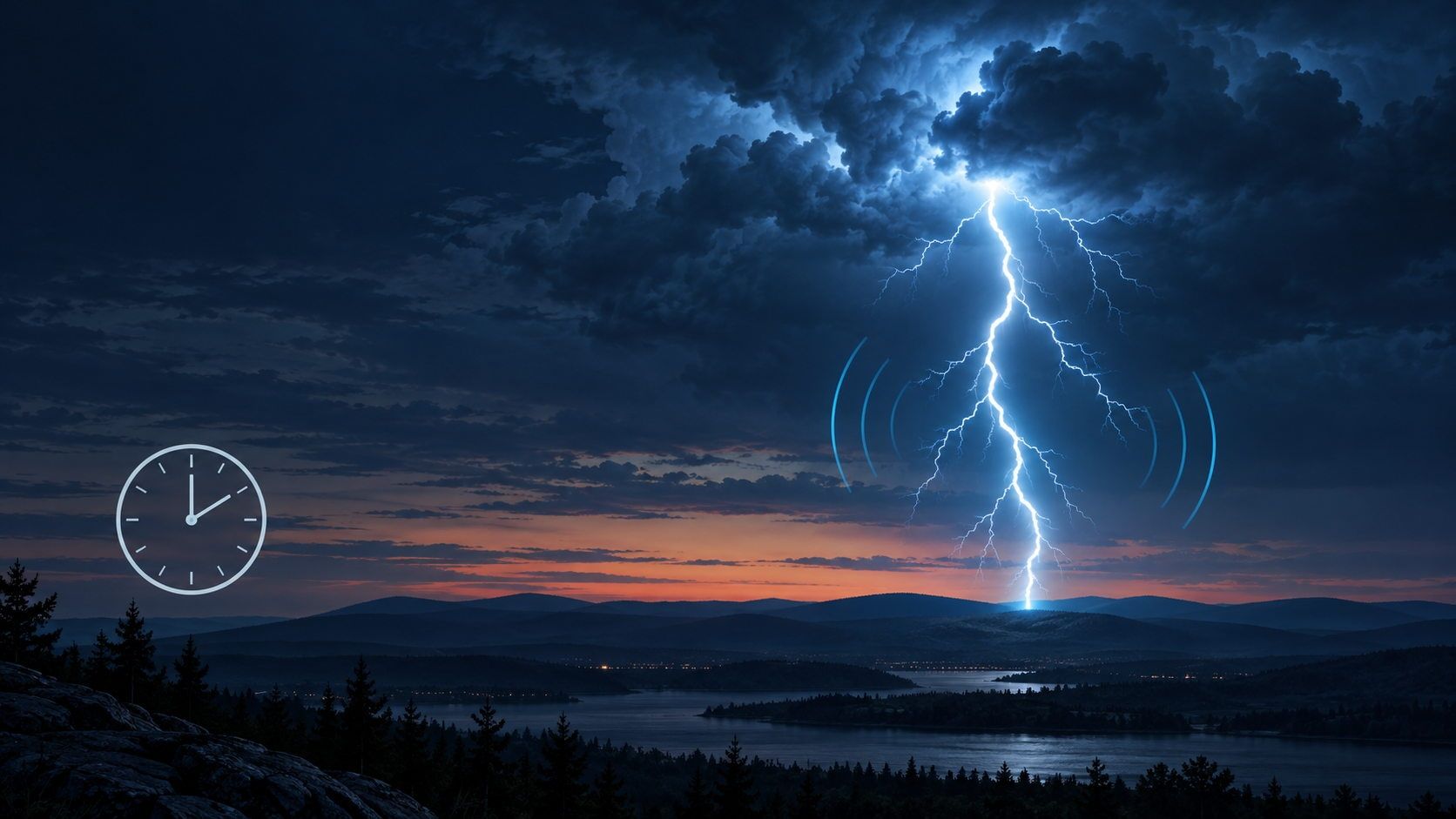
The sky flashes, then a few seconds later comes a crack or a long rumble. Lightning and thunder belong to the same event, but light reaches you much faster than sound. The delay gives a rough idea of how far away the lightning was: about five seconds per mile, or three seconds per kilometer.
That rule estimates distance, not the safety of your location. If you hear thunder, seek shelter rather than finishing a count outdoors. Once you are in suitable shelter, you can explore what the delay means.
What causes thunder?
Lightning is an electrical discharge. It heats the air along its channel extremely rapidly. The air expands so quickly that it creates a shock wave. This pressure disturbance travels outward and reaches your ears as thunder (NOAA: The Sound of Thunder).
The sound does not begin only when lightning hits the ground. It is generated along the lightning channel, so lightning that never reaches the ground can produce thunder too. The flash is the visible part of the event; thunder is its audible consequence.
Why do you see the flash first?
Across ordinary thunderstorm distances, light arrives almost instantly as far as human perception is concerned. Sound takes much longer. A useful approximation is about 330 meters per second, or roughly one kilometer in three seconds. The exact speed depends partly on air temperature (NOAA: Determining distance to a Thunderstorm).
The lightning is not waiting for its thunder. You are receiving two signals with very different travel times. A longer sound journey means a longer pause between them.
Count the seconds, then divide
For a rough estimate, use either of these rules:
- Distance in miles ≈ seconds between the flash and the first thunder ÷ 5.
- Distance in kilometers ≈ seconds between the flash and the first thunder ÷ 3.
Start timing at the flash and stop at the first thunder that belongs to it, not at the end of the rumble. Here are calculation examples, not observations of a current storm:
| Delay | Approximate distance |
|---|---|
| 3 seconds | 1 kilometer |
| 6 seconds | 2 kilometers |
| 9 seconds | 3 kilometers |
| 12 seconds | 4 kilometers |
A nine-second delay suggests about three kilometers. Using miles, a ten-second delay suggests about two miles. Both are estimates of scale, not precise locations.
If several flashes occur close together, it may be impossible to tell which clap belongs to which flash. Dividing a time interval cannot fix that uncertainty.
Why does thunder keep rumbling?
A lightning channel is not a single point. It extends through the air and may branch. Sound from a nearby section reaches you before sound from a more distant section. Those different arrival times help stretch thunder into a rolling sound.
The pressure wave also changes as it travels through the atmosphere. Temperature and sound propagation affect what you hear. A sharp crack and a low rumble do not simply identify two different kinds of lightning. Thunder can roll without needing a mountain echo (NOAA: Thunder and sound propagation).
What the distance rule cannot tell you
The rule estimates the sound path to the part of the channel whose thunder reaches you first. That section is not necessarily the point where lightning struck the ground. Nor does the calculation predict where the next flash will occur. A larger estimated distance is not an all-clear.
The National Weather Service advises moving promptly to a substantial suitable building or an enclosed, metal-topped vehicle when you hear thunder. Remain in shelter for at least 30 minutes after the last thunder. Indoors, stay away from windows. Counting is a way to understand the physics, not a reason to remain outside during a storm.
Try the idea without a real thunderstorm
Indoors, one person can briefly switch on a flashlight, wait six seconds, then say “boom.” The other person times the gap and calculates six divided by three: a modeled distance of two kilometers.
Repeat with three or nine seconds. The longer pause represents a longer sound journey. The delay is deliberately built into this exercise; it does not measure the actual distance between the people taking part.
Put weather in perspective with LiveGlobe 3D
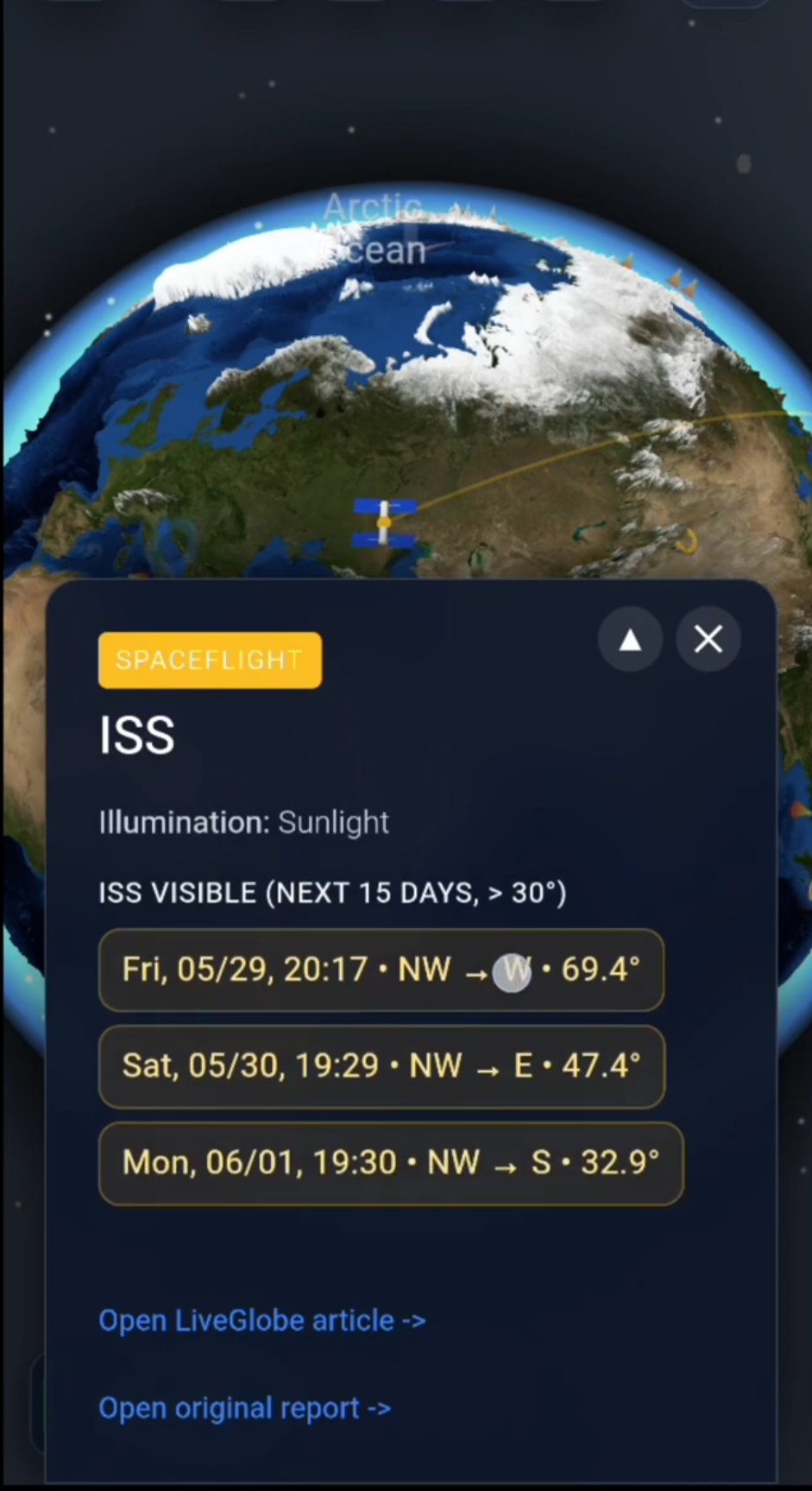
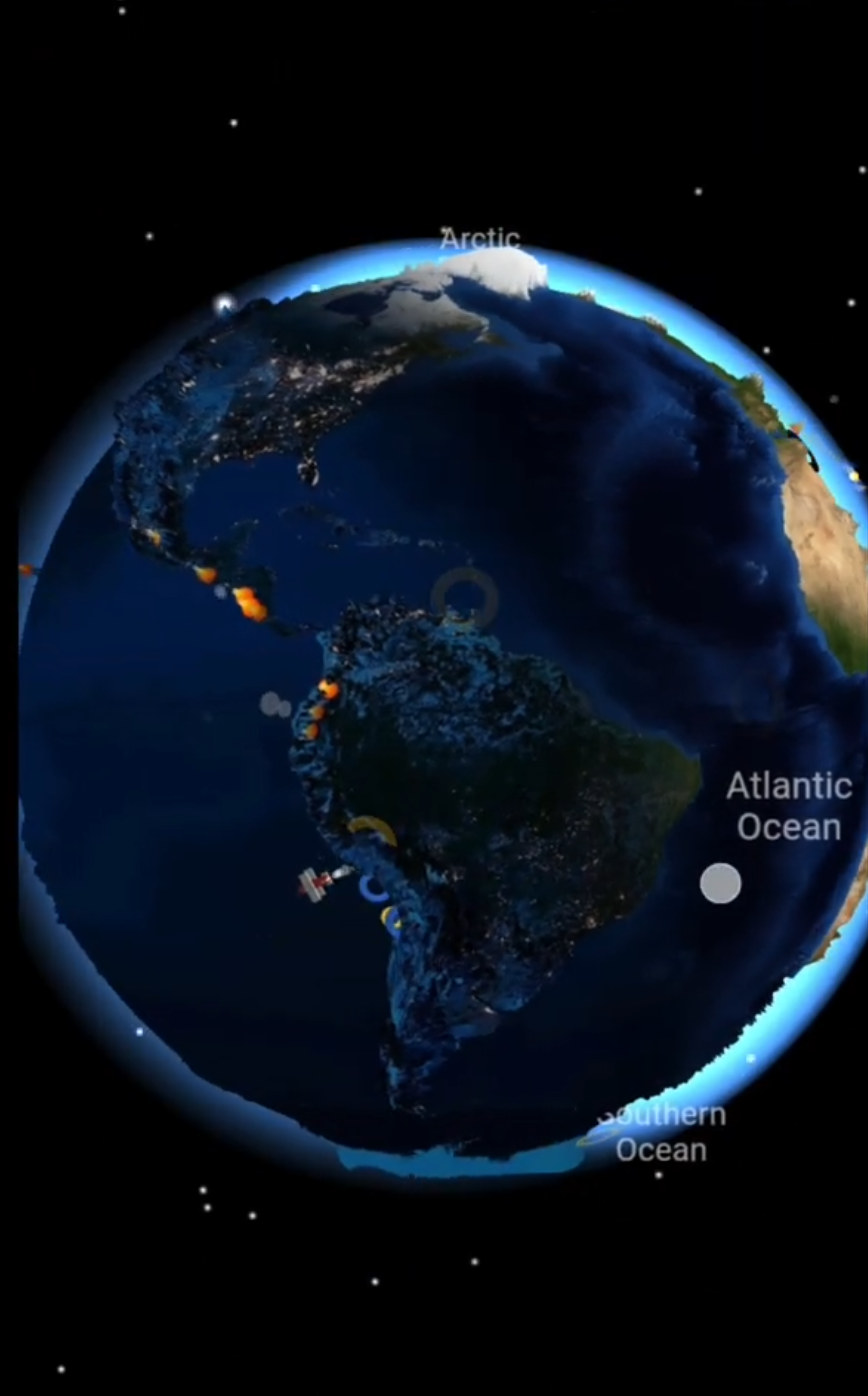
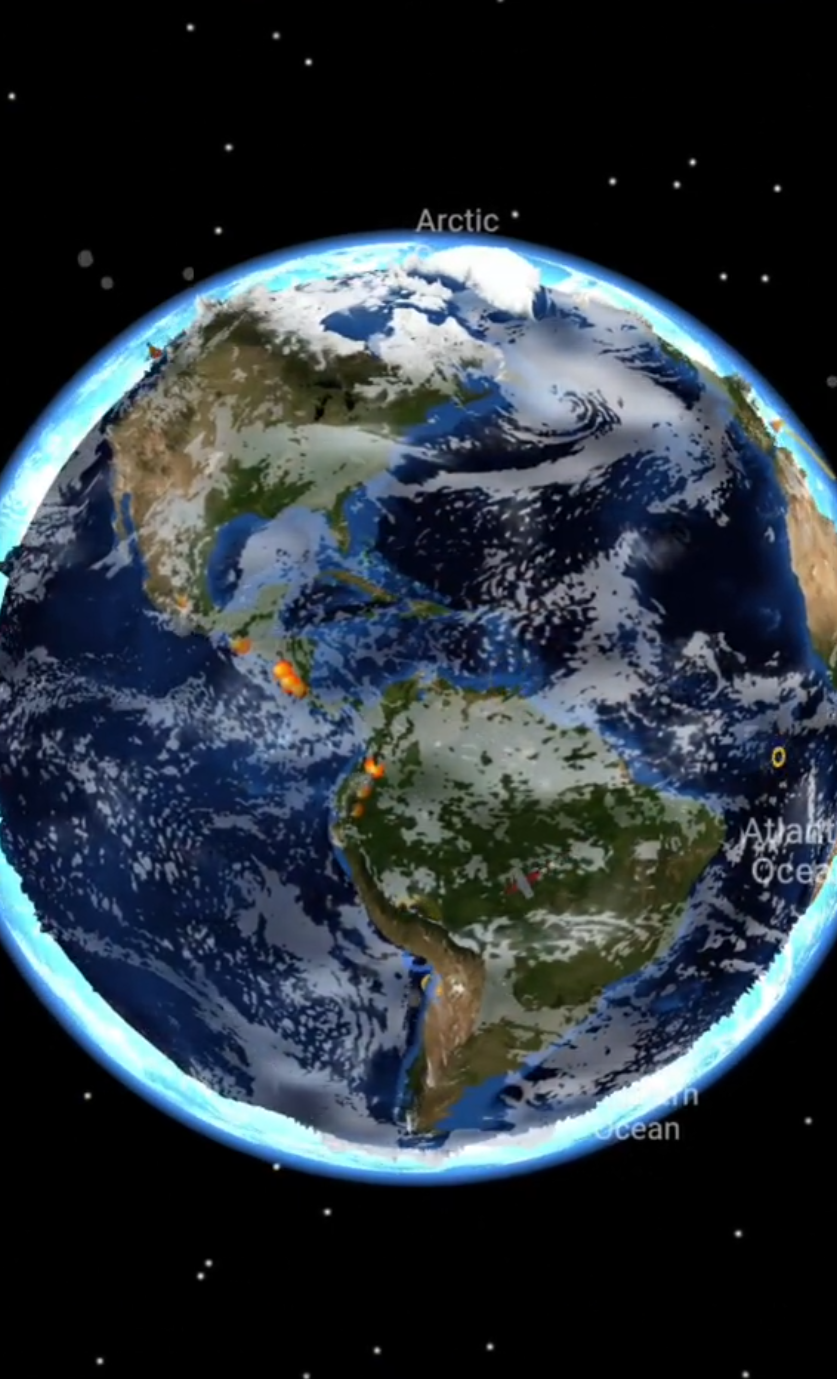
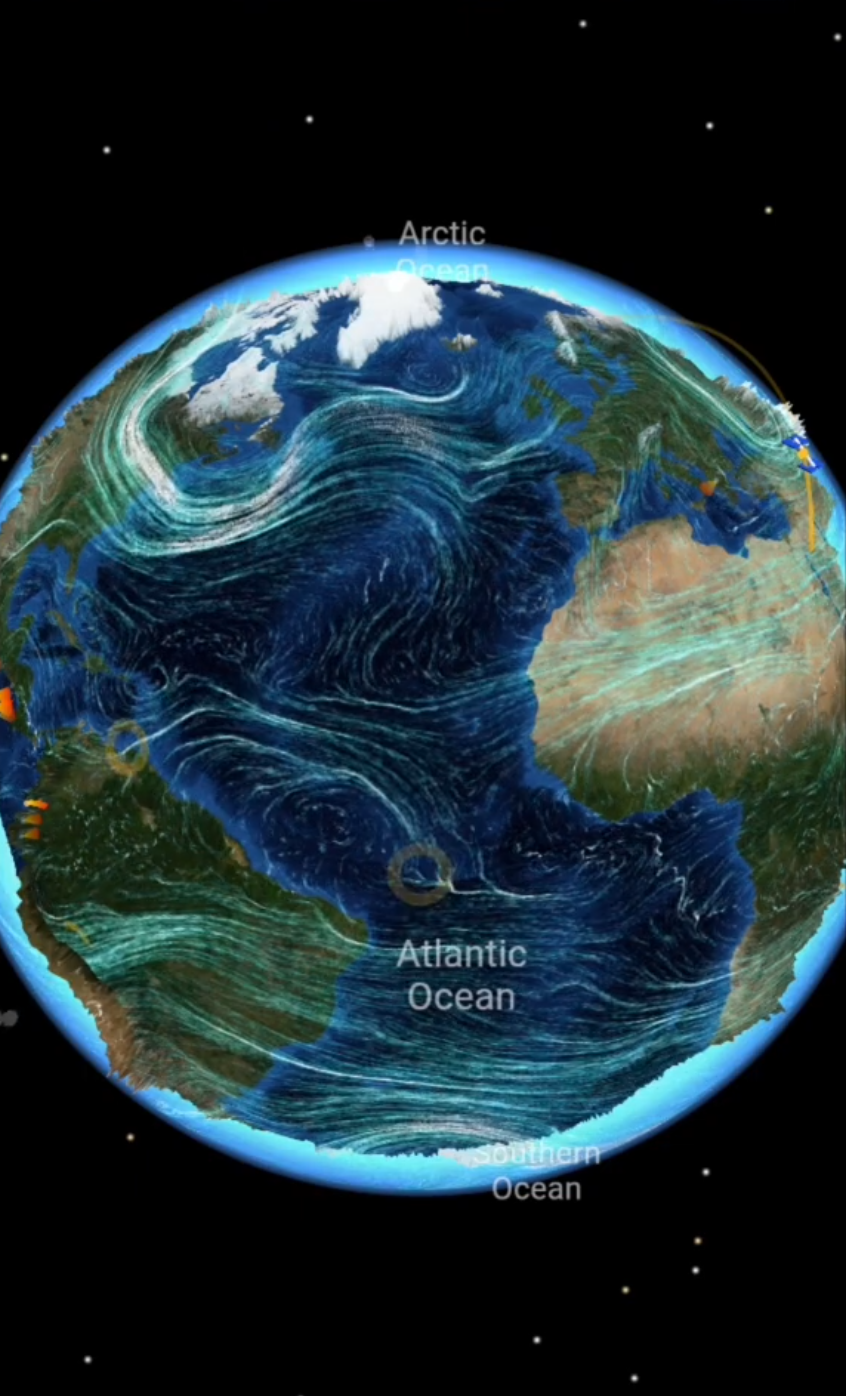
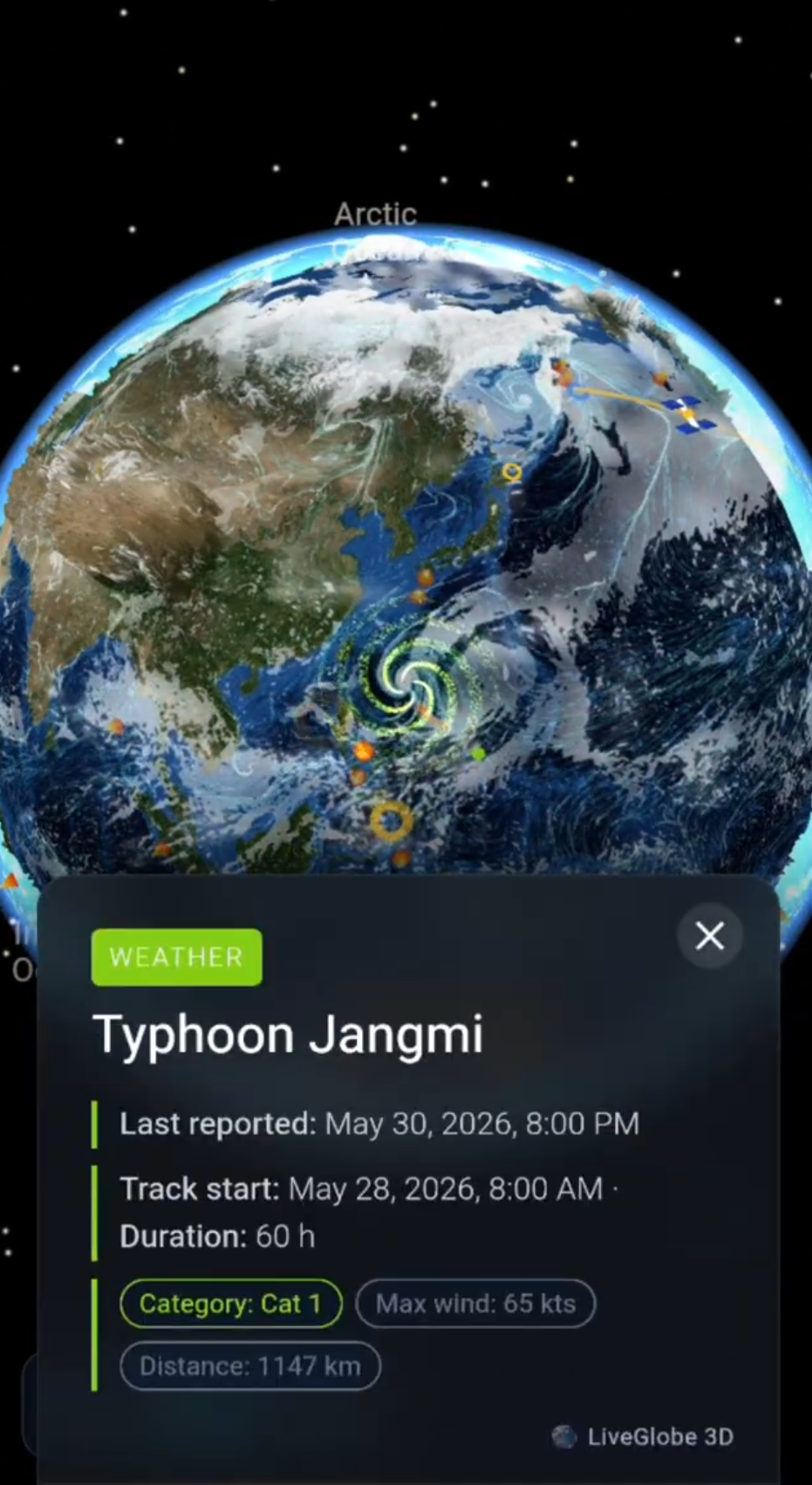
For a wider view of weather, rotate and zoom the globe in LiveGlobe 3D and select available cloud or wind views in the Live menu. These can help you place larger weather patterns in relation to land and sea. Web access requires sign-in; relevant layers may require Premium access and available external data.
For the next piece of the picture, read “How do clouds form—and why do they disappear?”. Explore the views available to you when you want to add a global perspective to a local observation.
Common questions
Does one second mean one mile?
No. The rough rule is five seconds per mile, or three seconds per kilometer. Do not mix the two units.
Does thunder always mean lightning hit the ground?
No. Rapid heating of the air along the lightning channel produces the sound. Ground contact is not required.
Can the rumble give an exact distance?
No. Its sound and duration depend on several factors. The delay between a flash and its first matching thunder is a simpler estimate, and even that remains approximate.
Short clips
The app in motion: short, genuine glimpses straight from use.
At a glance
How the app feels on your phone.