Why is the ocean blue—and sometimes turquoise or green?
Why is the ocean blue? Explore light absorption, turquoise shallows, green plankton-rich water and sky reflections, with a simple coastal observation routine.
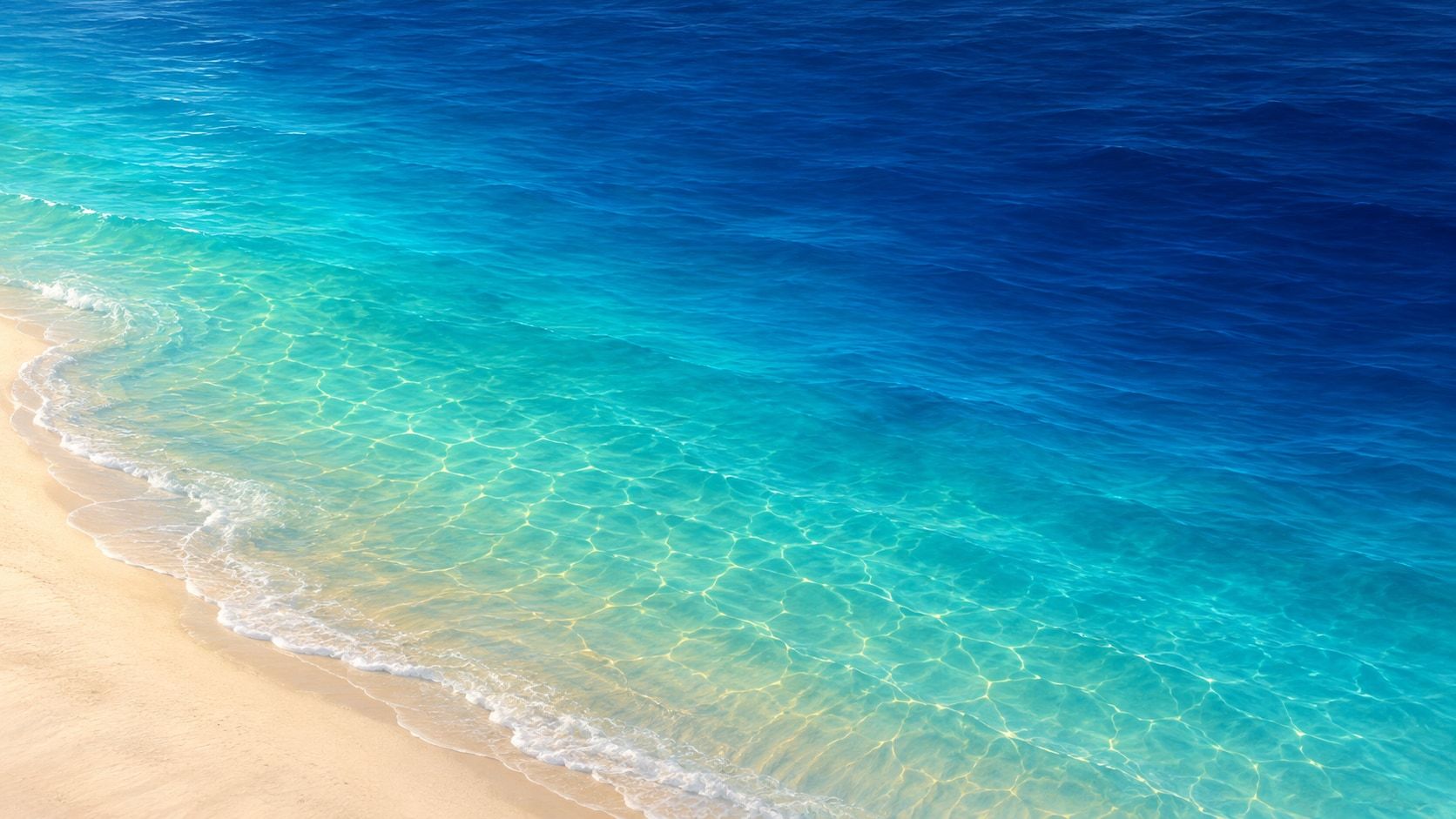
A sheltered bay looks turquoise, the open sea looks deep blue, and water near a river mouth may look green or brown. The ocean does not have one fixed color. Clear water absorbs red wavelengths of sunlight more strongly than blue ones. Suspended material, the seabed, and reflections at the surface also affect the light that reaches your eyes.
“It reflects the blue sky” is therefore only part of the answer. Water has a faint blue color of its own, even without a blue sky overhead.
Water acts as a color filter
Sunlight contains a range of wavelengths that we perceive as different colors. Water does not weaken them equally: red light is absorbed more strongly than blue light. As light travels farther through clear water, the remaining mixture becomes relatively bluer. NOAA describes the ocean as a sunlight filter.
For you to see a blue expanse, some light must also return toward your eyes. Scattering within the water contributes to this, as can light reflected from the bottom in shallow areas. But selective absorption is the crucial color filter. Saying “blue light bounces back” does not, on its own, explain what happened to the other colors.
This differs from why the sky is blue. In the atmosphere, stronger scattering of short wavelengths is the central explanation. Two blue scenes need not get their color in the same way.
Why does a glass of water look colorless?
Even pure water has a slight blue tint. In a drinking glass, the path through the water is usually too short for that tint to stand out. Looking through a long column of water makes the effect much clearer, as the USGS Water Science School explains.
Think of a deep swimming pool with a light-colored bottom. Light travels through the water, reflects from the bottom, and passes through the water again on its way up. That longer journey allows absorption to noticeably change the color. A small amount of the same water in a clear glass looks almost colorless. In an actual pool, the color of the lining can also contribute.
Salt is not what makes water blue: clear freshwater lakes can look blue too. Where ocean salt comes from is a separate question.
Does the sea reflect the sky at all?
Yes. The surface reflects some incoming light. Depending on your viewing angle and the waves, you may see more or less of the sky reflected in it. Bright clouds can create white patches; an overcast sky can help the sea look gray.
What you see is a combination of surface reflections and light returning from within the water. Changing your viewing angle can change the apparent color even when the water itself has not changed. A single photograph does not automatically separate those contributions.
Three common color patterns
| Appearance | A possible explanation | What it does not establish on its own |
|---|---|---|
| Deep blue | A long light path through relatively clear water, with little other coloring material | An exact water depth |
| Pale blue or turquoise | A light sandy bottom can return a lot of light through shallow, clear water | That all turquoise water is shallow or has the same composition |
| Green, yellowish, or brown | Phytoplankton, suspended sediments, or dissolved organic matter change the light | A definite judgment about pollution or swimming water quality |
Turquoise is not a universal depth scale. A bright bottom can make coastal water glow, but particles in the water also affect its brightness and hue. Color alone does not identify a single cause.
Greenish water often contains more phytoplankton—tiny drifting organisms—than very clear blue water. A brown plume at a river mouth may be caused by transported sediment. USGS also identifies dissolved organic matter as a source of yellow or brown hues. Similar-looking boundaries can therefore have different explanations.
A simple coastal observation routine
You can investigate these differences with your eyes while keeping observations separate from measurements:
- Describe the setting. Are you looking at a sandy bay, a rocky coast, a river mouth, or open water? Can you actually see the bottom?
- Note the sky and surface. Record clouds, calm water, waves, or strong glare.
- Compare two viewing directions. Does water close to you look different from the water farther out? Describe the change before assigning a cause.
- Separate sight from explanation. “A green patch next to blue water” is an observation. “More phytoplankton” remains a possible explanation without supporting data.
For photographs, check the capture date and any information about processing. White balance and increased saturation can make the same place look very different. Attractive turquoise is neither a depth measurement nor a water quality test.
Put the coastline in context with a globe
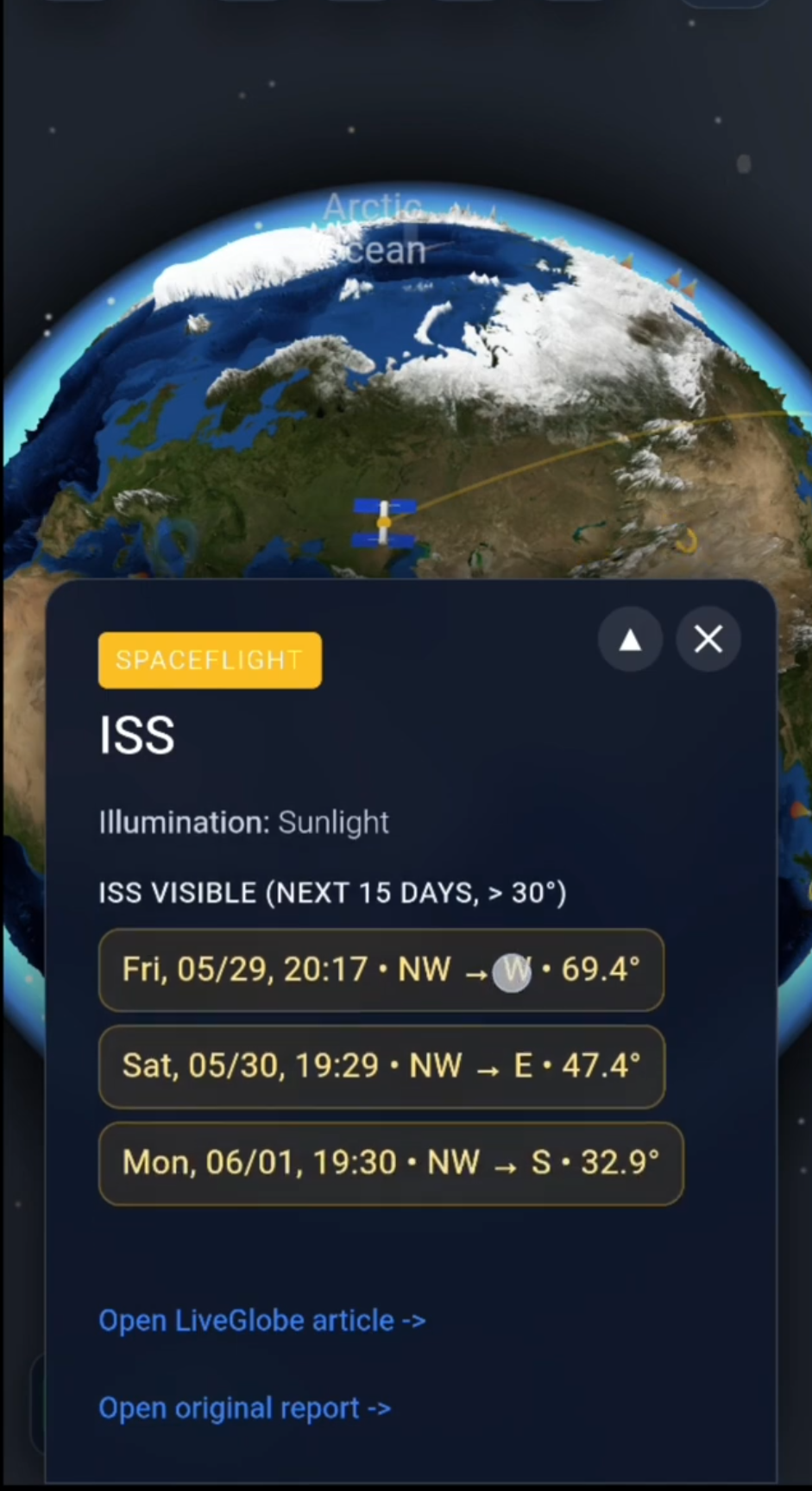
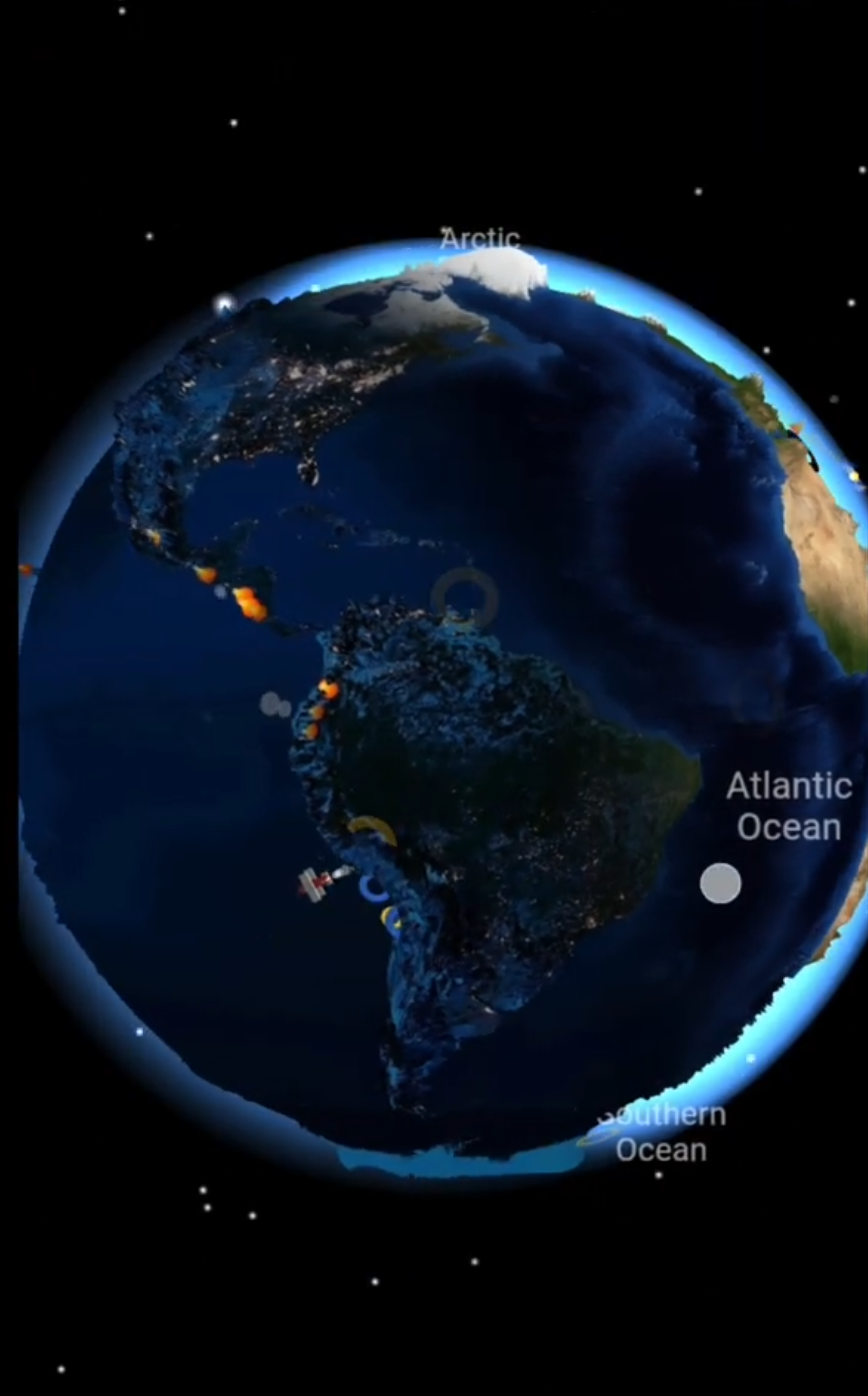
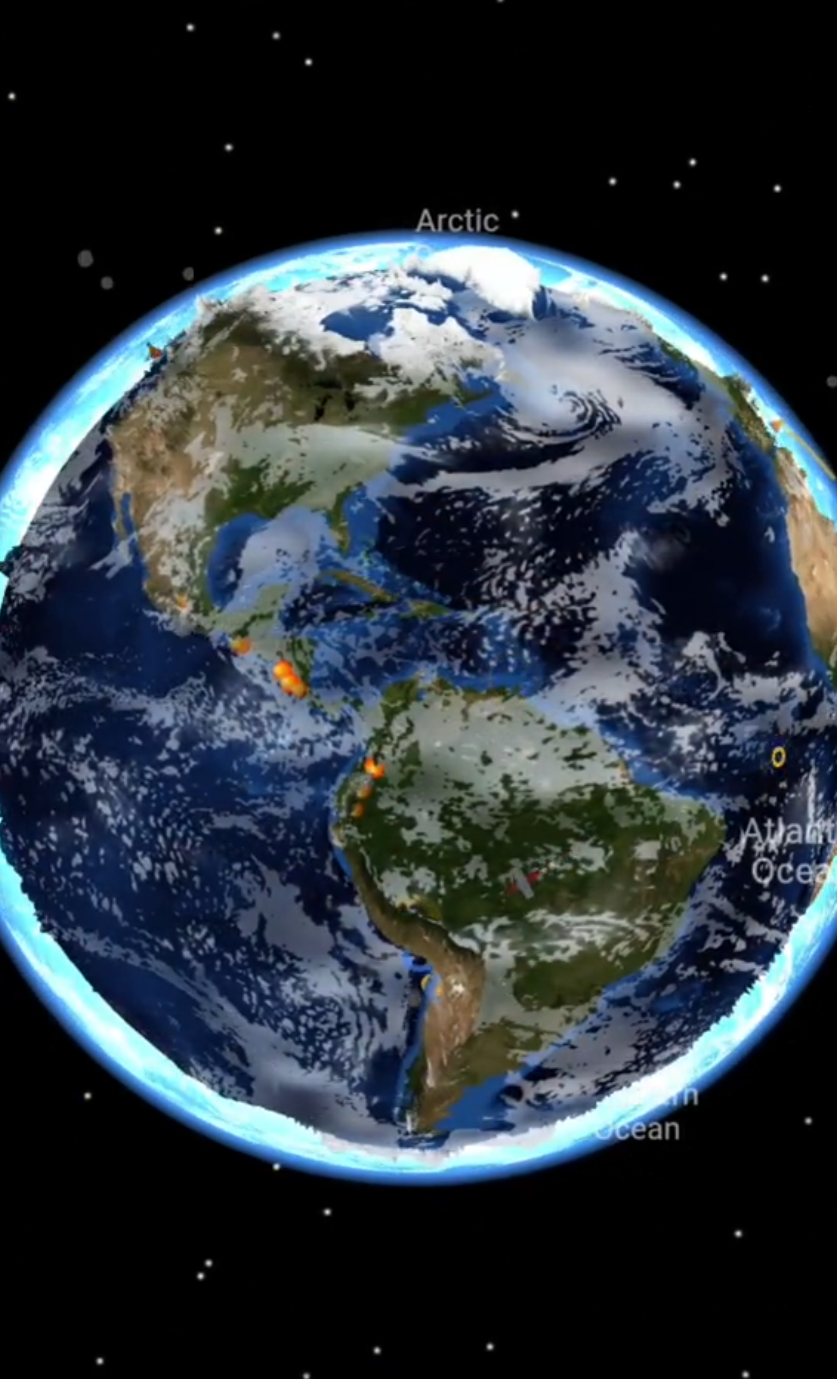
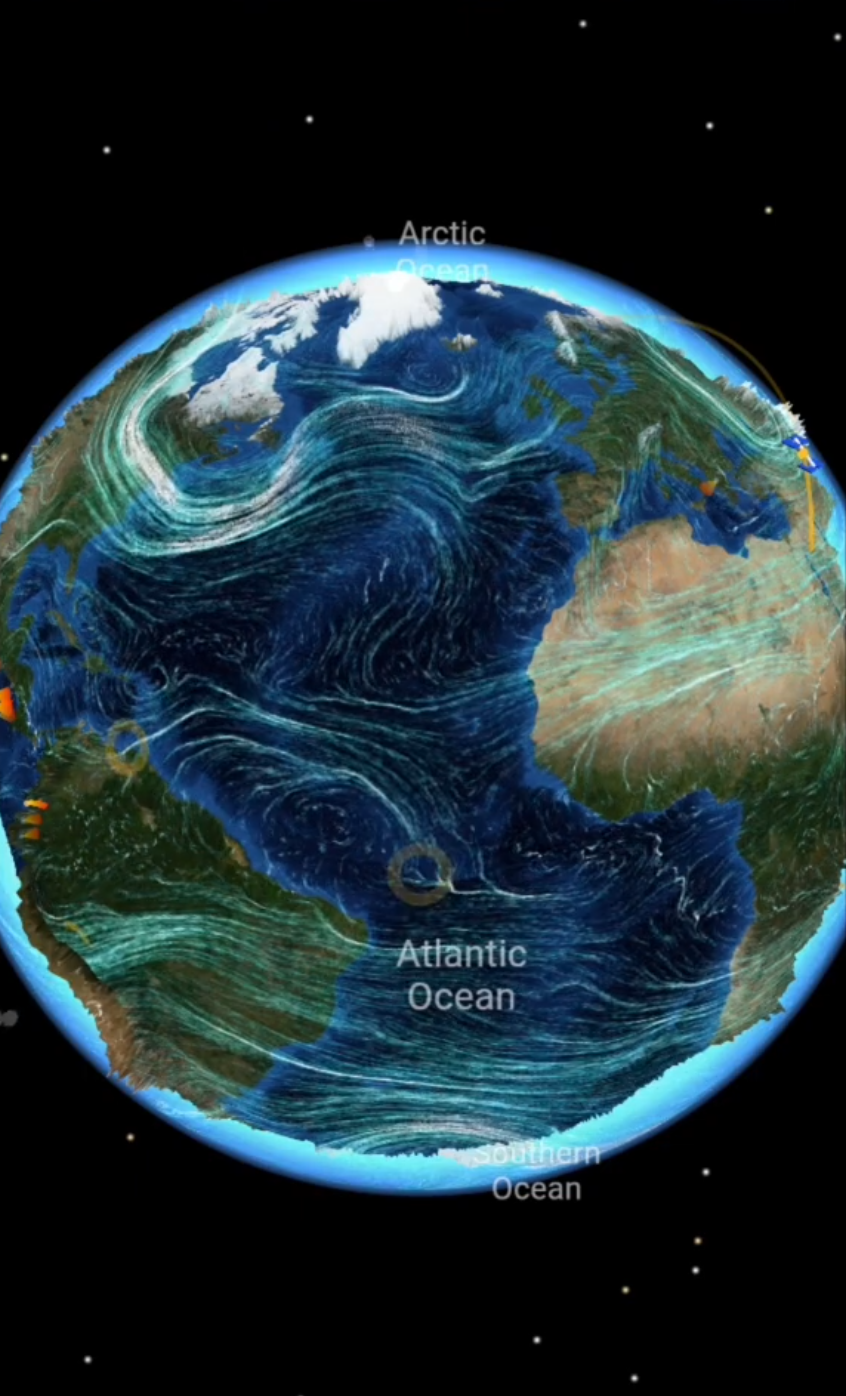
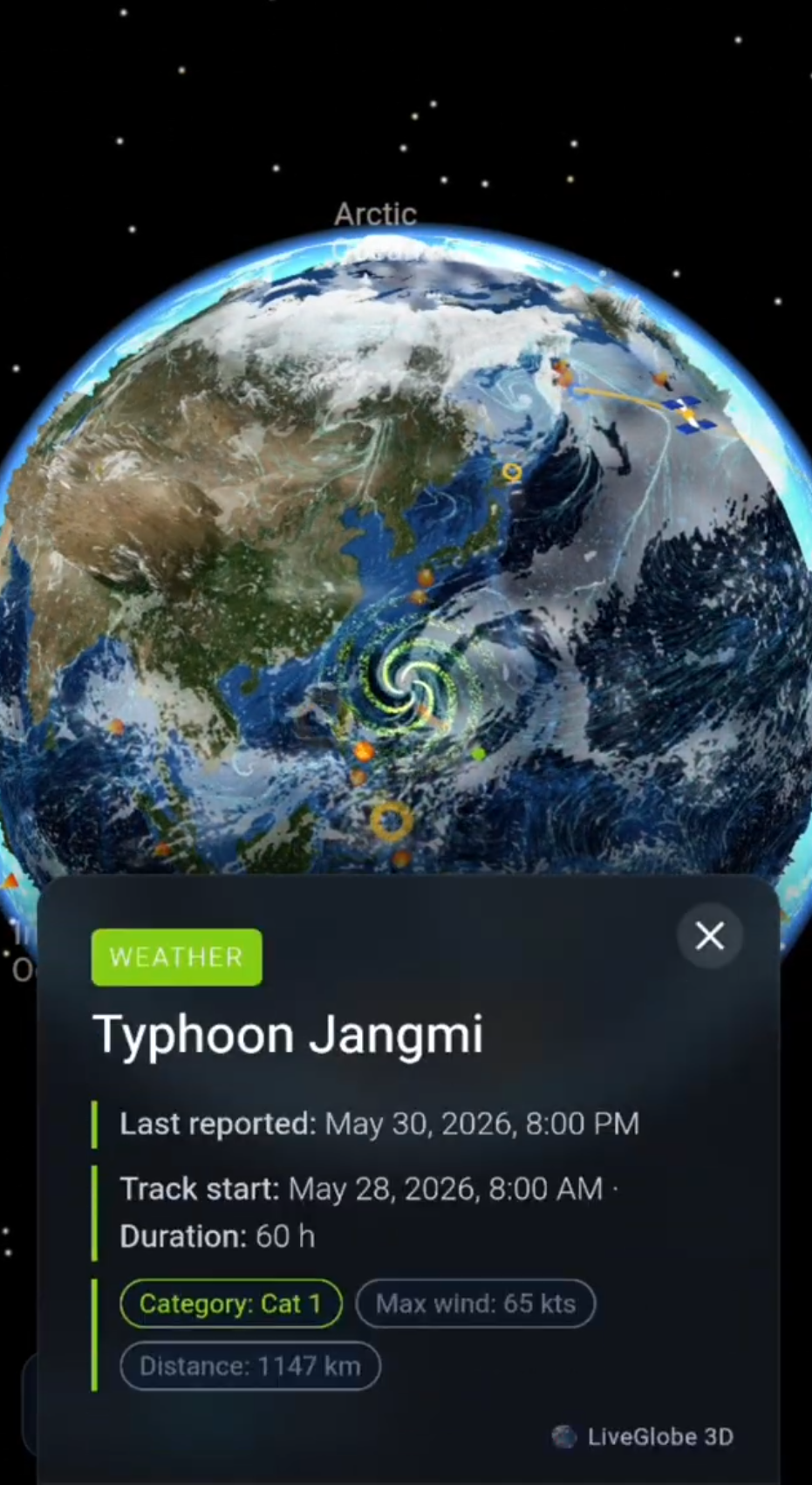
In LiveGlobe 3D, you can rotate and zoom the globe and search for places. Compare the setting of the Bahamas with the North Sea coast: where are the islands, open stretches of sea, and nearby river mouths? That geographic context helps you ask better questions about real coastal images. Web access is configured to require sign-in.
Use the globe for geographic orientation, then examine water colors in dated images with identified sources. Water filters the light; the bottom, material in the water, and the surface modify the result. Those four ingredients explain much more than “the sea is blue.”
Short clips
The app in motion: short, genuine glimpses straight from use.
At a glance
How the app feels on your phone.