Why is the ocean salty, while most rivers are fresh?
Learn where ocean salt comes from, why evaporation leaves it behind, and what 35 grams per kilogram means—with an example and a look at salty lakes.
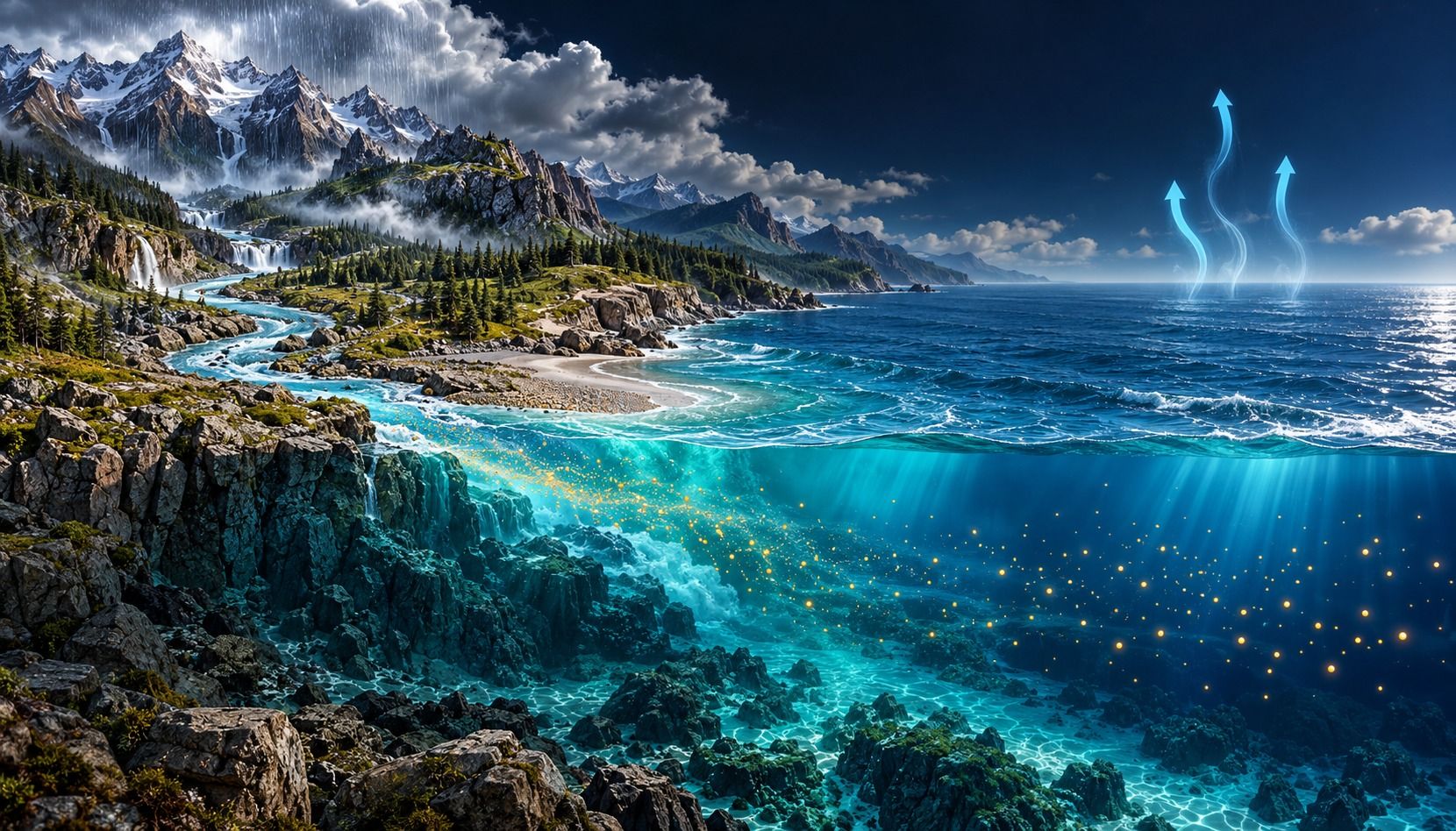
Rivers pour water into the ocean every day, yet they usually taste far less salty. The apparent contradiction disappears when you follow water and dissolved salts separately: rivers deliver both, whereas evaporation mainly takes water out of the sea. The salts stay behind.
That distinction also explains why salinity varies and why some inland lakes can become extremely salty.
Much of the salt starts on land
Rainwater takes up carbon dioxide and becomes slightly acidic. As rocks weather, dissolved particles called ions are released. Streams, groundwater, and rivers carry these substances onward, eventually reaching the ocean. NOAA describes this journey from rocks to the sea as an important source of ocean salts.
This does not mean visible grains of salt float all the way down a river. The substances are dissolved. Even clear freshwater contains dissolved minerals: “fresh” means low in salt, not chemically pure water.
Sodium and chloride are especially abundant ions in seawater. They are the constituents of table salt, but seawater also contains other ions, including magnesium and sulfate. It is not simply water mixed with a single kind of salt.
The seafloor is part of the chemical cycle too
At hydrothermal vents, seawater enters the crust, heats up, and reacts with rock. Water returning to the ocean carries dissolved substances. Underwater volcanic activity contributes to the exchange as well.
The process does not always add salt. As the USGS explains in its account of seafloor reactions, some dissolved constituents are removed from seawater too. Organisms and sediment formation also bind substances. Today’s salinity reflects a long history of inputs, storage, and removal rather than an endlessly growing stockpile.
Why doesn’t evaporation take the salt away?
During evaporation, water molecules enter the air as vapor. The dissolved salts do not simply follow them into that vapor. The water cycle can therefore return water to land while leaving most of the salt in the ocean.
Water vapor can later become cloud droplets and precipitation; see how clouds form for that next step. Wind can also lift salty droplets as sea spray, but lifting liquid droplets is different from evaporation.
Rivers continuously carry their dissolved load onward. The ocean receives these inputs over immense stretches of time, while water repeatedly evaporates. Low-salt inflows can therefore feed a much saltier sea.
How much salt is in seawater?
NOAA gives an average ocean salinity of about 35 grams of dissolved salts per kilogram of seawater. That is approximately 3.5 percent by mass, or 35 parts per thousand. It is a useful reference, not a fixed value for every coast or depth.
A thought experiment makes concentration easier to picture:
- A 1,000-gram sample contains 35 grams of salts and 965 grams of water.
- Let 100 grams of pure water evaporate, leaving the salts dissolved behind.
- The remaining 900-gram sample still contains 35 grams of salts: about 3.9 percent.
No extra salt was added. There is simply less water. This simplified example leaves out inflows, outflows, and other chemical processes.
Why isn’t every part of the ocean equally salty?
Alongside salt inputs, the water balance and exchange with neighboring waters matter.
| Process | Usual effect on salinity |
|---|---|
| Strong evaporation | Removes water, increasing the concentration |
| Heavy rain or river inflow | Adds low-salt water and dilutes the seawater |
| Exchange with other sea areas | Moves water and dissolved salts; the effect depends on the incoming water |
“Warmer means saltier” is therefore too simple. Heavy rainfall can dilute the sea surface even in a warm region. Water color and coastal photographs cannot reliably tell you salinity either; that requires measurements.
Why are many lakes fresh, but others salty?
In a lake with an outlet, water and dissolved substances leave the basin together. That limits accumulation. In a basin without an outlet, substantial evaporation can instead leave salts behind and concentrate them.
Despite its name, the Dead Sea is a lake. The USGS describes its closed drainage basin and evaporation as key to its high salinity. The label “sea” or “lake” is less important than the combination of rock, inflow, outflow, and evaporation.
Trace the idea on a globe
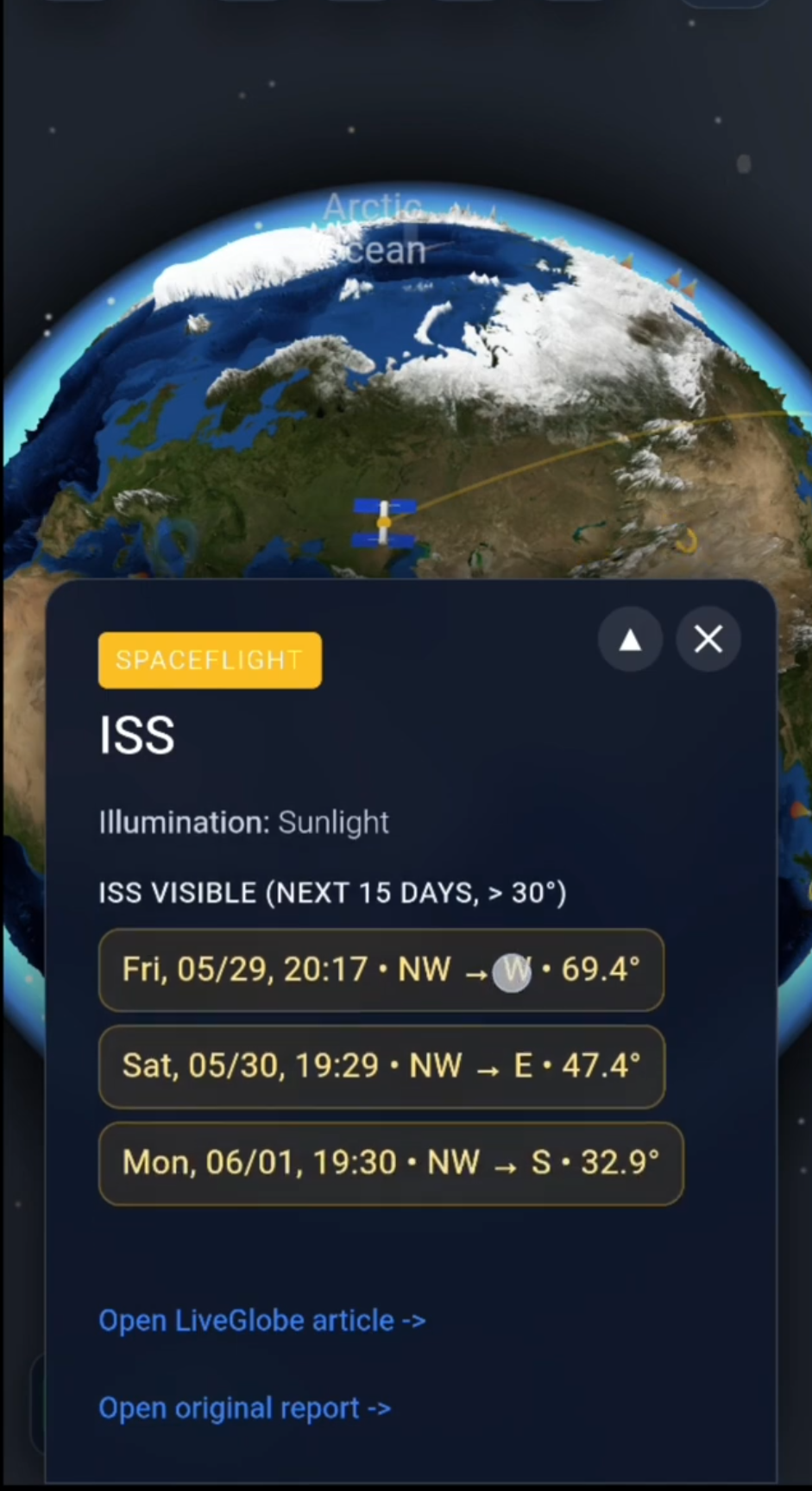
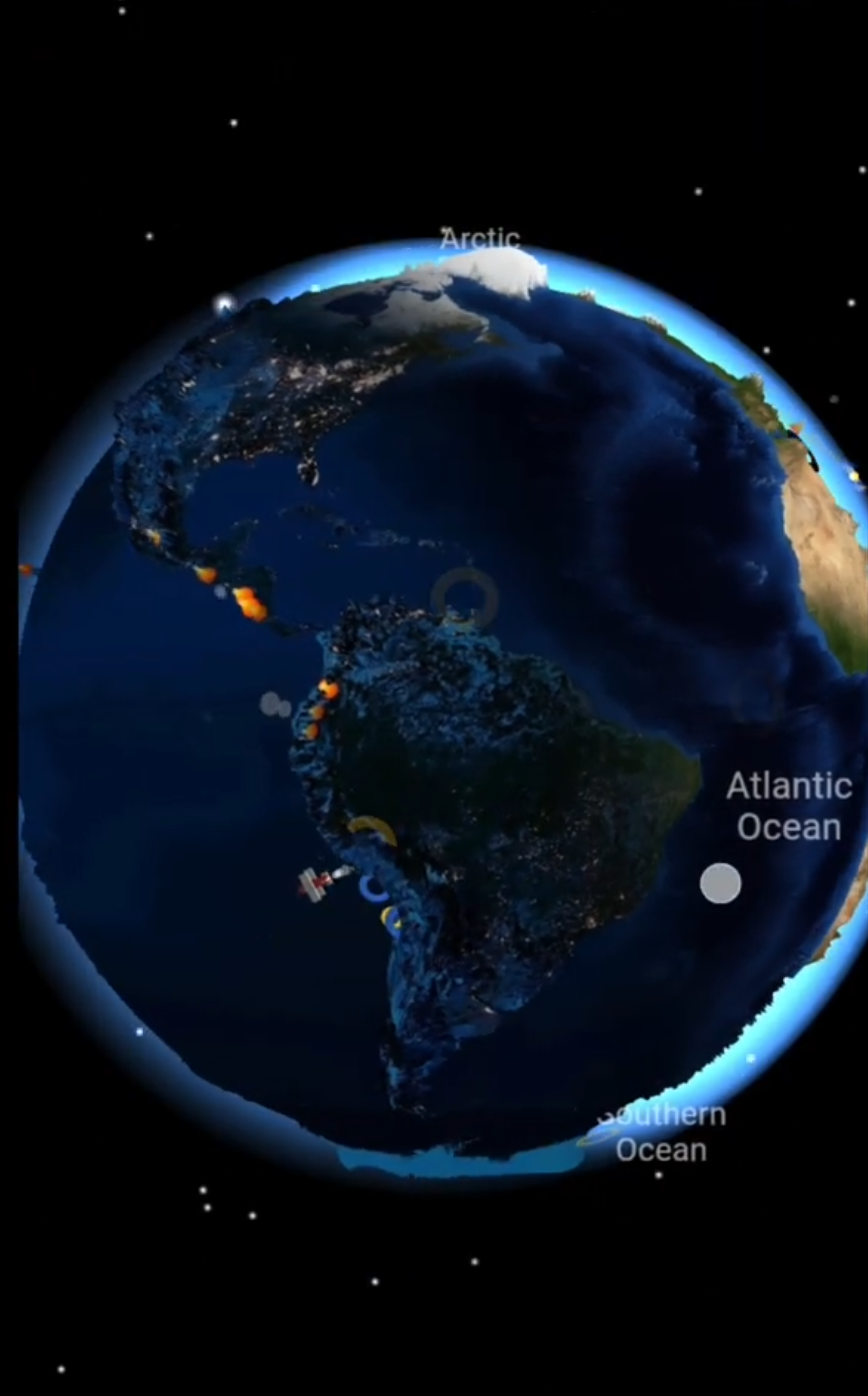
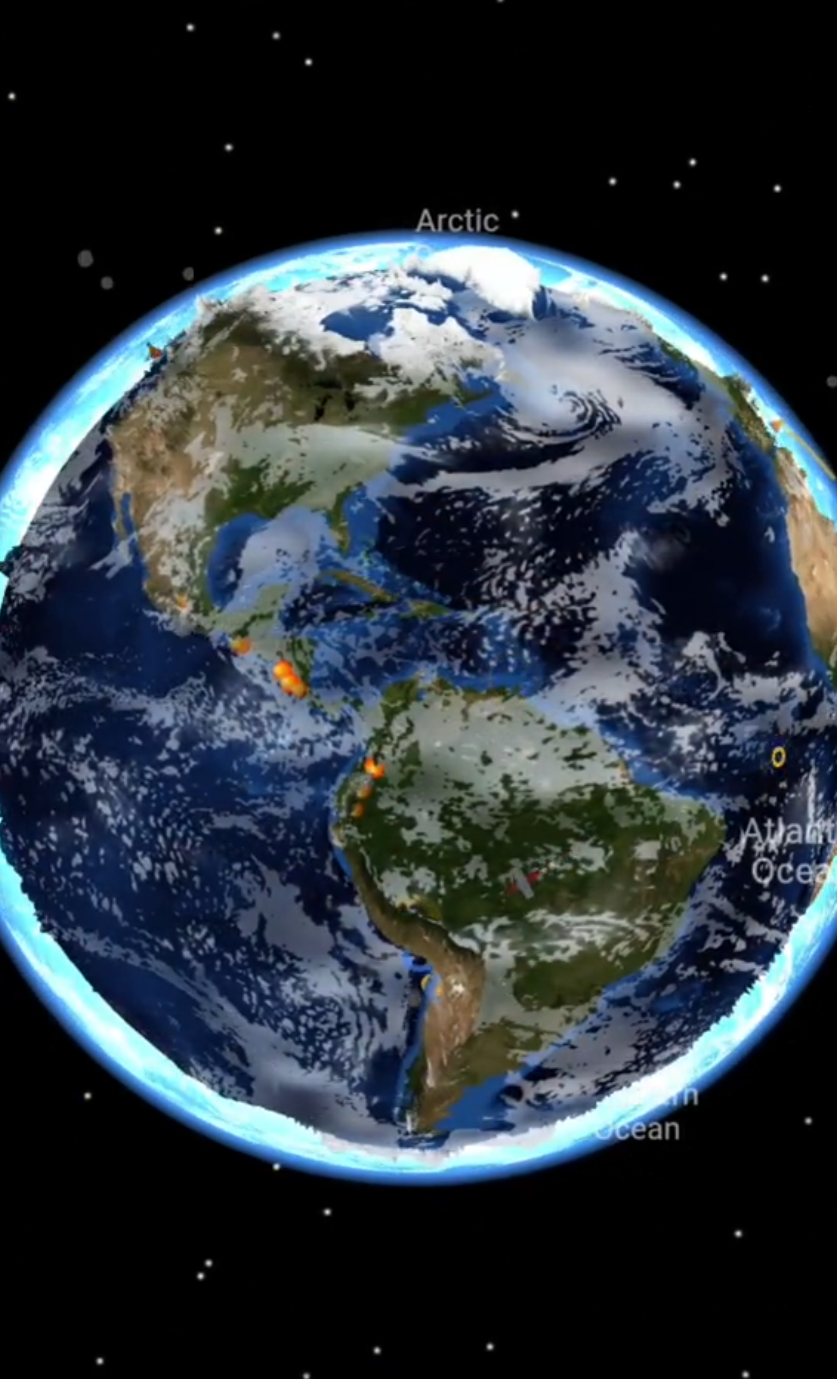
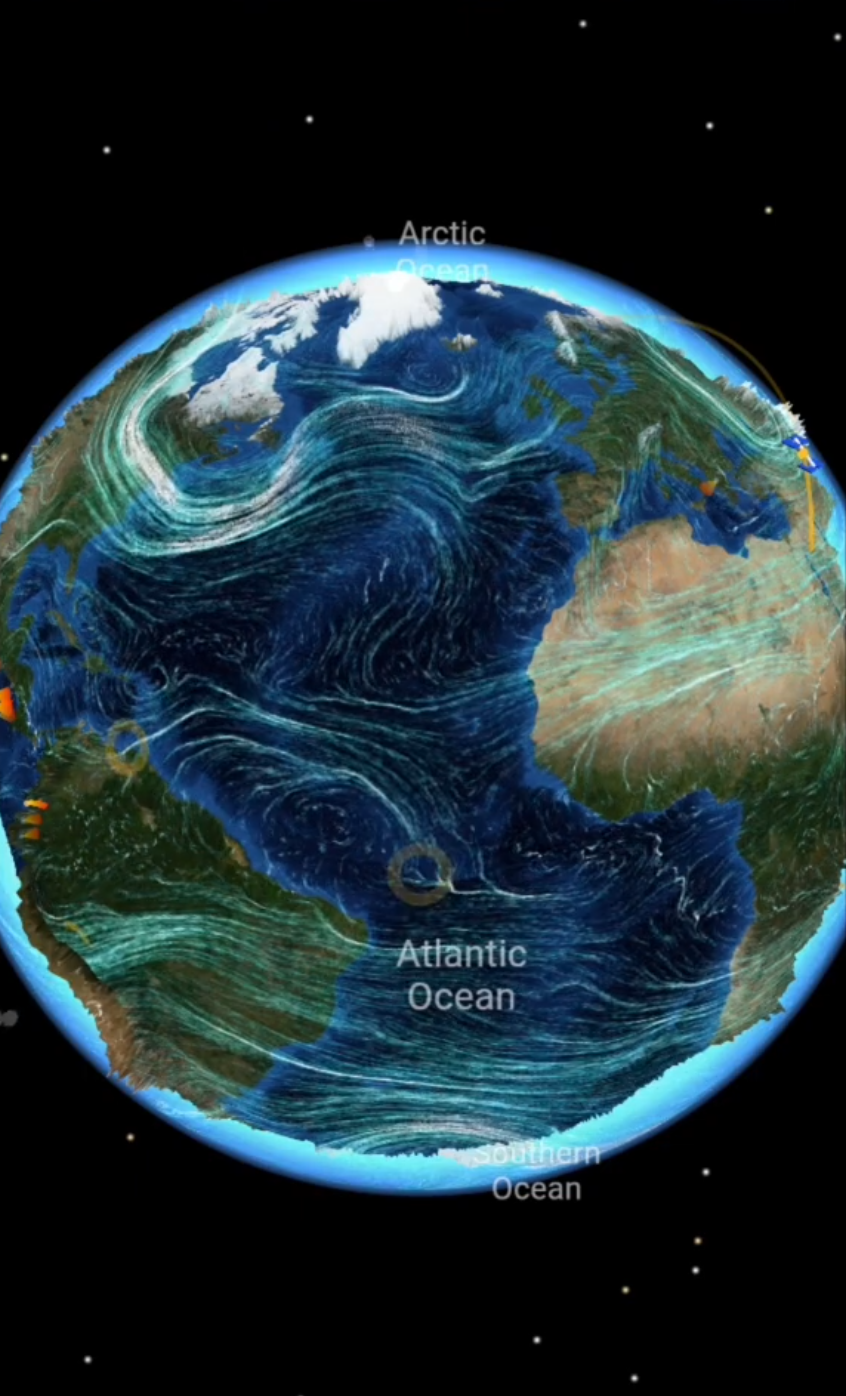
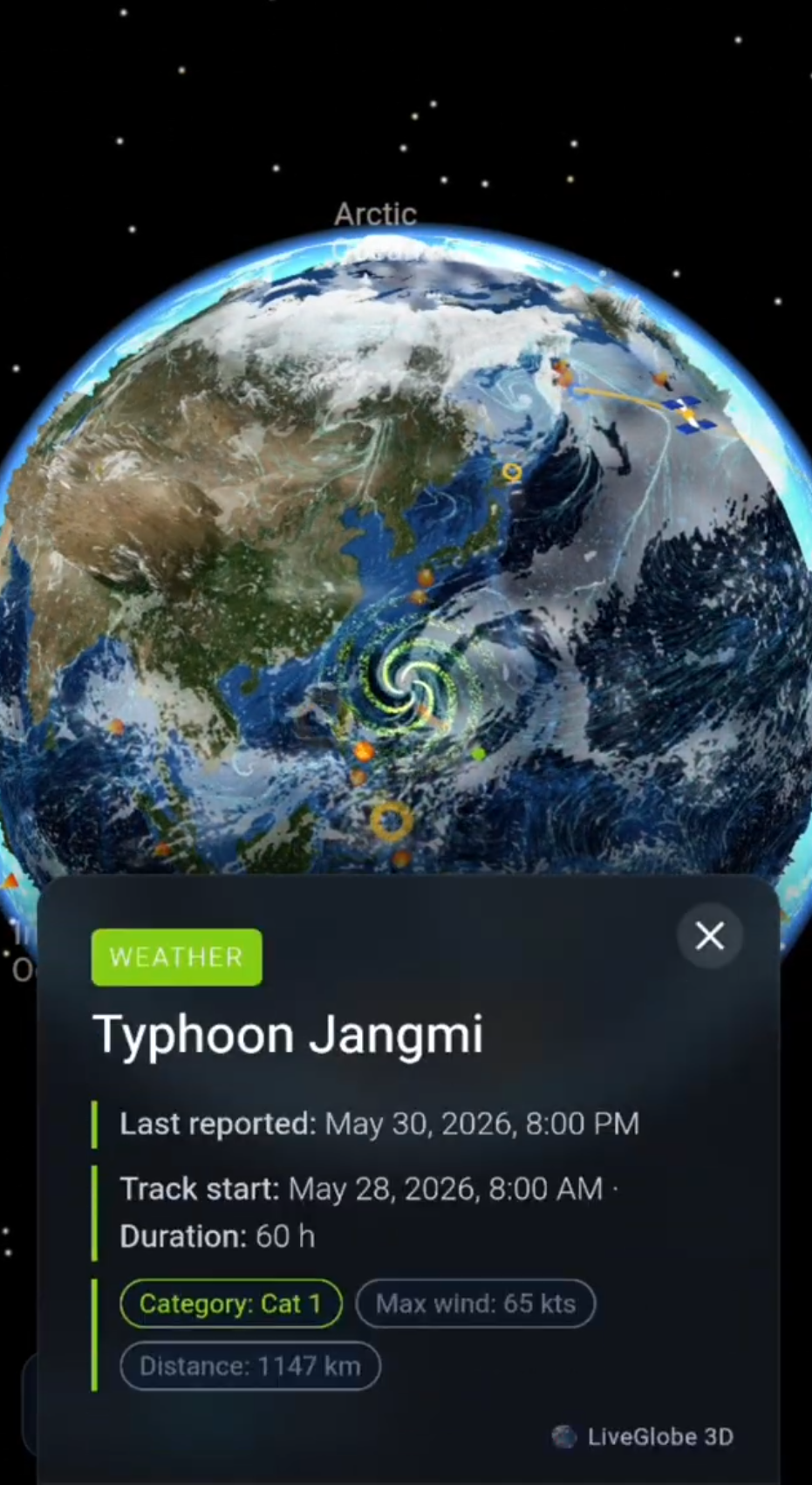
In LiveGlobe 3D, you can rotate and zoom the globe and search for places. The web app is set up to require sign-in.
Start with the Río de la Plata, between Argentina and Uruguay, and look at its connection to the Atlantic. Picture the river delivering dissolved substances. Then find the Dead Sea in the Middle East: its inland setting helps put a different water balance into geographic context. Use the view for orientation and the linked scientific sources to compare salinity information.
Keep the short chain in mind: rocks supply dissolved substances, water transports them, and evaporation concentrates them. Explore those two locations and ask the same question at each: where does the water go, and where do its salts go?
Short clips
The app in motion: short, genuine glimpses straight from use.
At a glance
How the app feels on your phone.