Why day and night aren't exactly equal on the equinox
Why is daylight often longer than night on the equinox? Understand the Sun's visible edge, atmospheric refraction and local sunrise times.
Short clips
The app in motion: short, genuine glimpses straight from use.
At a glance
How the app feels on your phone.
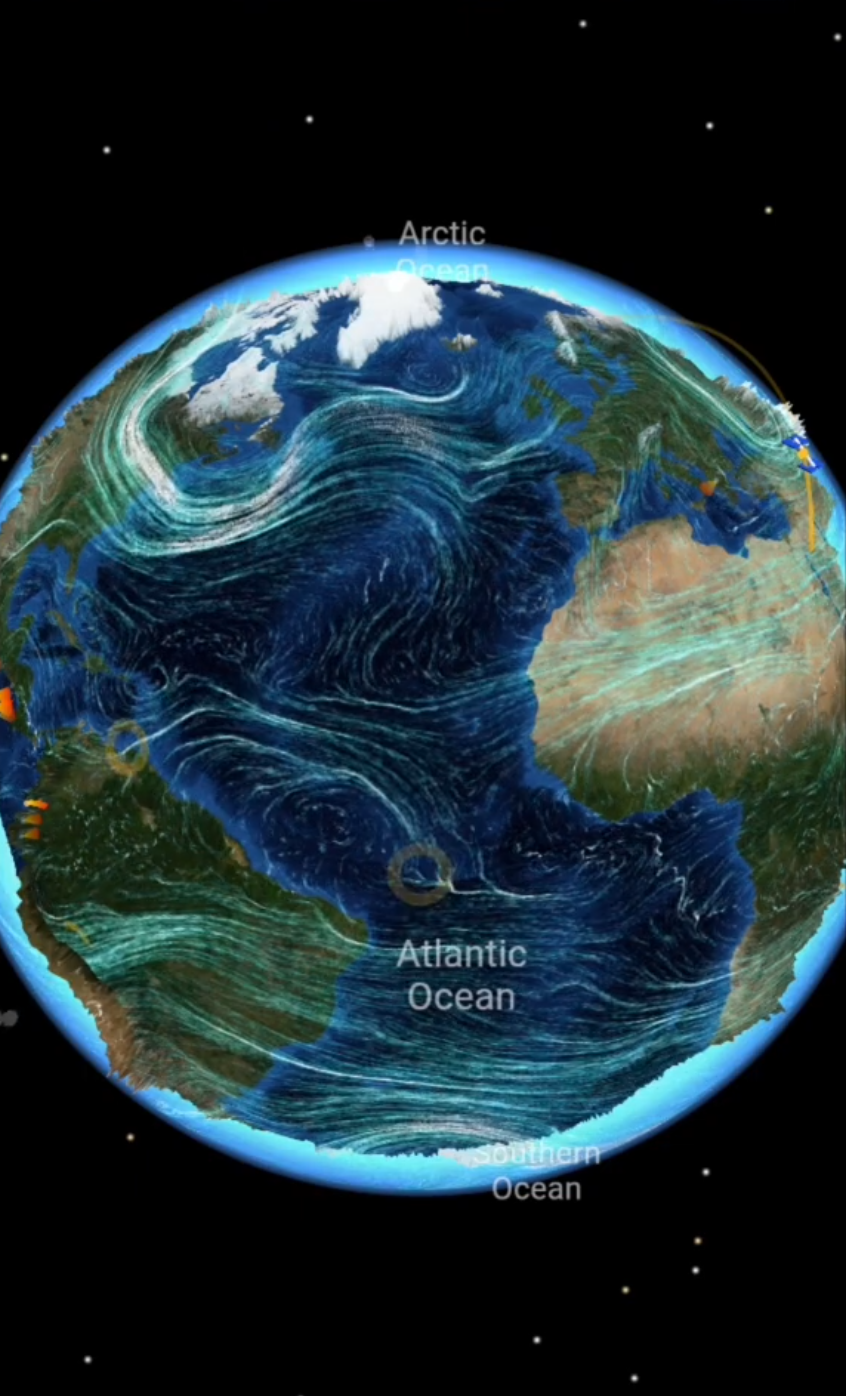
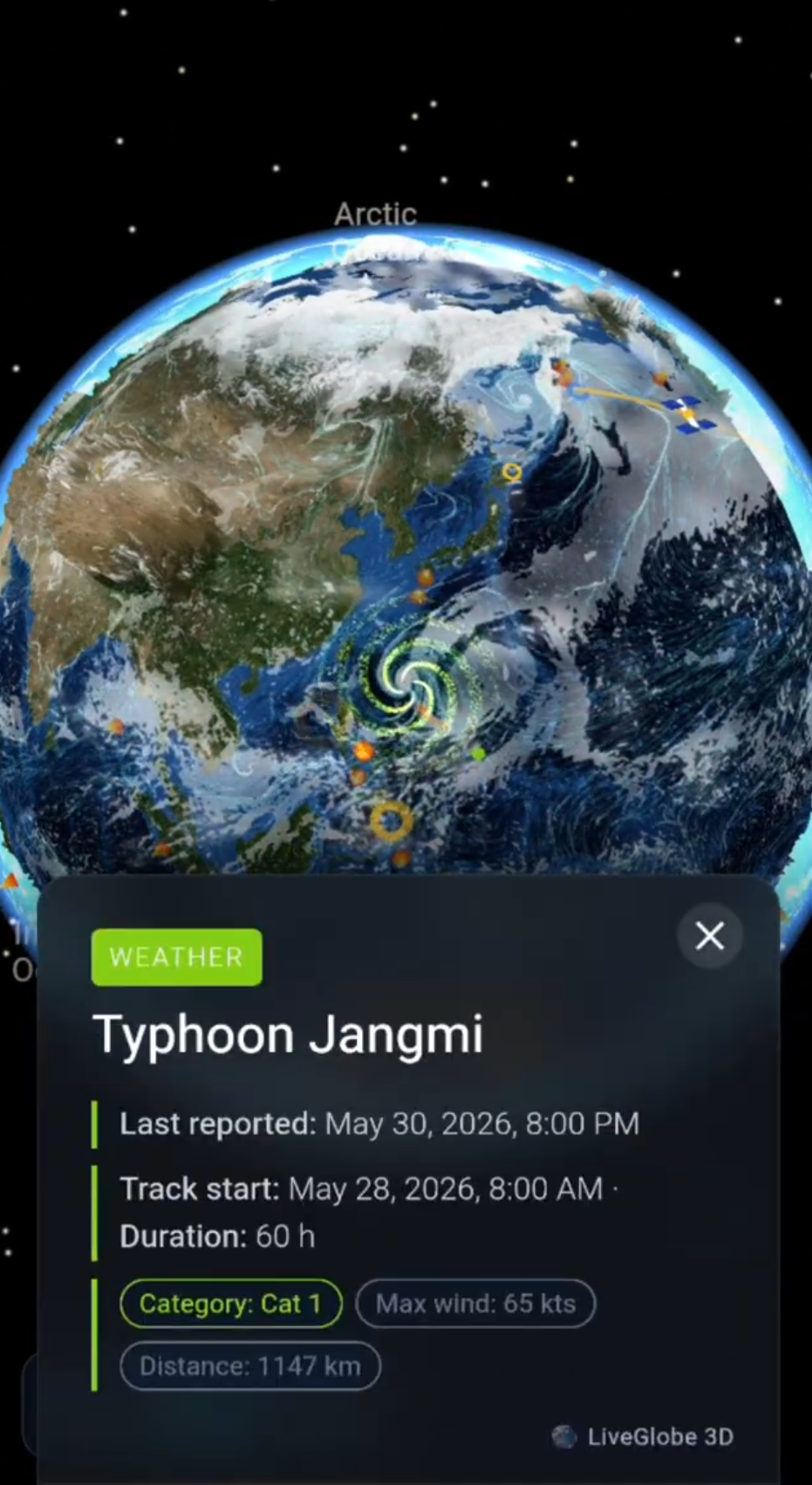
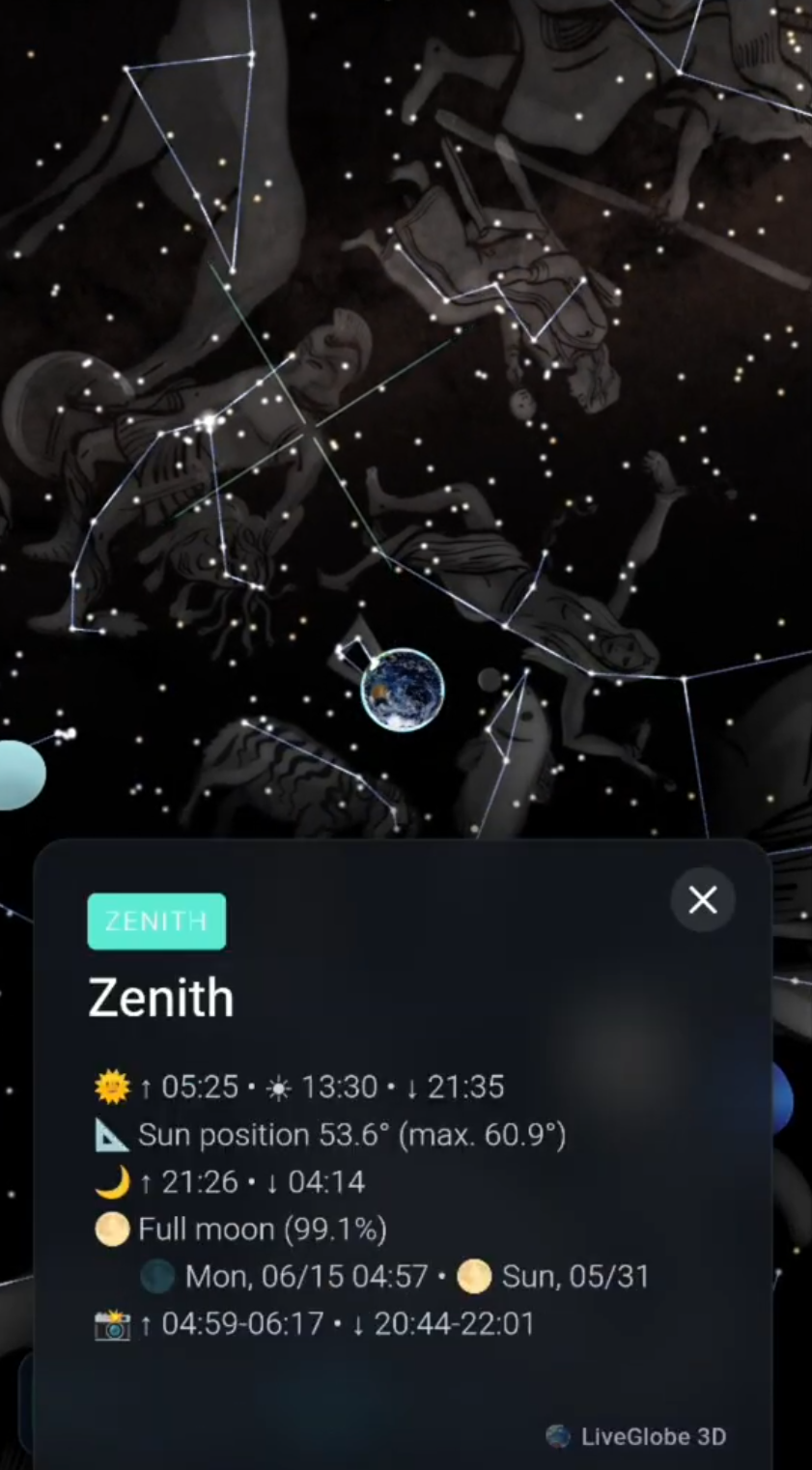
An equinox sounds like a promise of twelve hours of daylight and twelve hours of darkness. Yet the sunrise and sunset times for your town may tell a different story. There is no contradiction: the equinox describes the Sun’s position relative to Earth’s equator; sunrise and sunset describe when its visible edge meets the horizon.
What happens at an equinox?
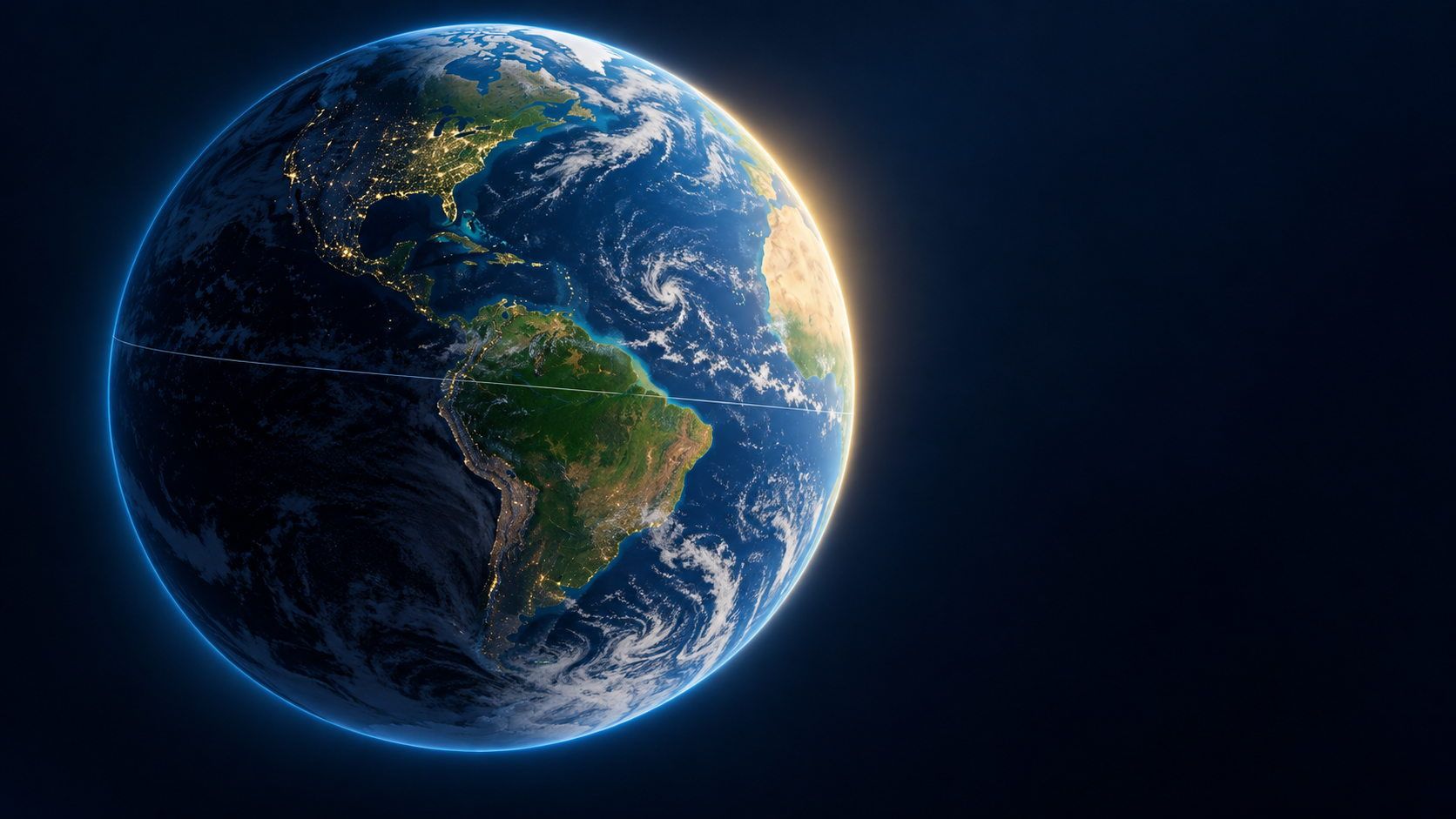
Twice a year, in March and September, the centre of the Sun crosses the plane of Earth’s equator as seen from Earth. At that instant, neither hemisphere is tilted more towards the Sun than the other. Imagine a globe lit by a distant point of light: at the equinox, the geometric boundary between its lit and unlit halves runs through the poles. This is a useful model of the event, not a promise about the length of daylight on every calendar date (NASA Science).
The real Sun has an apparent size, and we observe it through an atmosphere. Both details matter when we put actual times next to the words “day” and “night”.
Two reasons daylight lasts longer than the simple model suggests
Sunrise is conventionally the moment the upper edge of the solar disc appears above a level horizon. Sunset is when that edge finally disappears. If we instead counted the Sun’s centre as a dimensionless point, morning would start later and evening would end earlier. Counting the visible disc extends the interval from sunrise to sunset (U.S. Naval Observatory, length of day and night).
The atmosphere extends that interval too. Atmospheric refraction bends light near the horizon, making the Sun appear a little higher than its geometric position. The edge can therefore appear before the geometric sunrise and remain visible after the geometric sunset. Together, the size of the solar disc and refraction mean the sunrise-to-sunset interval on an equinox is normally longer than twelve hours. That does not change the astronomical definition of the equinox (U.S. Naval Observatory, rise and set definitions).
Try a thought experiment with an unobstructed horizon. First picture a tiny point-Sun crossing it; next, a disc whose upper rim becomes visible while its centre is still below the line; finally add an atmosphere that lifts its apparent image. At each step you have changed what an observer can see, not the moment when the Sun’s centre crosses the equatorial plane.
So when do day and night come closest to twelve hours each?
The date depends on latitude. At middle northern latitudes, approximate equality between sunrise-to-sunset daylight and night falls before the March equinox and after the September equinox. Near the equator, visible daylight may remain longer than night. There is no single “equal day” date for the whole planet (U.S. Naval Observatory). In the southern hemisphere the seasonal ordering is reversed.
To check a particular place, compare sunrise and sunset in a reputable astronomical table for its location and date. The interval between these events is not the same as every minute of visible light: twilight also lights the sky before sunrise and after sunset. Hills, buildings and changing atmospheric conditions can shift what you actually see from your own window (U.S. Naval Observatory, rise, set and twilight).
Seeing the geometry on a globe
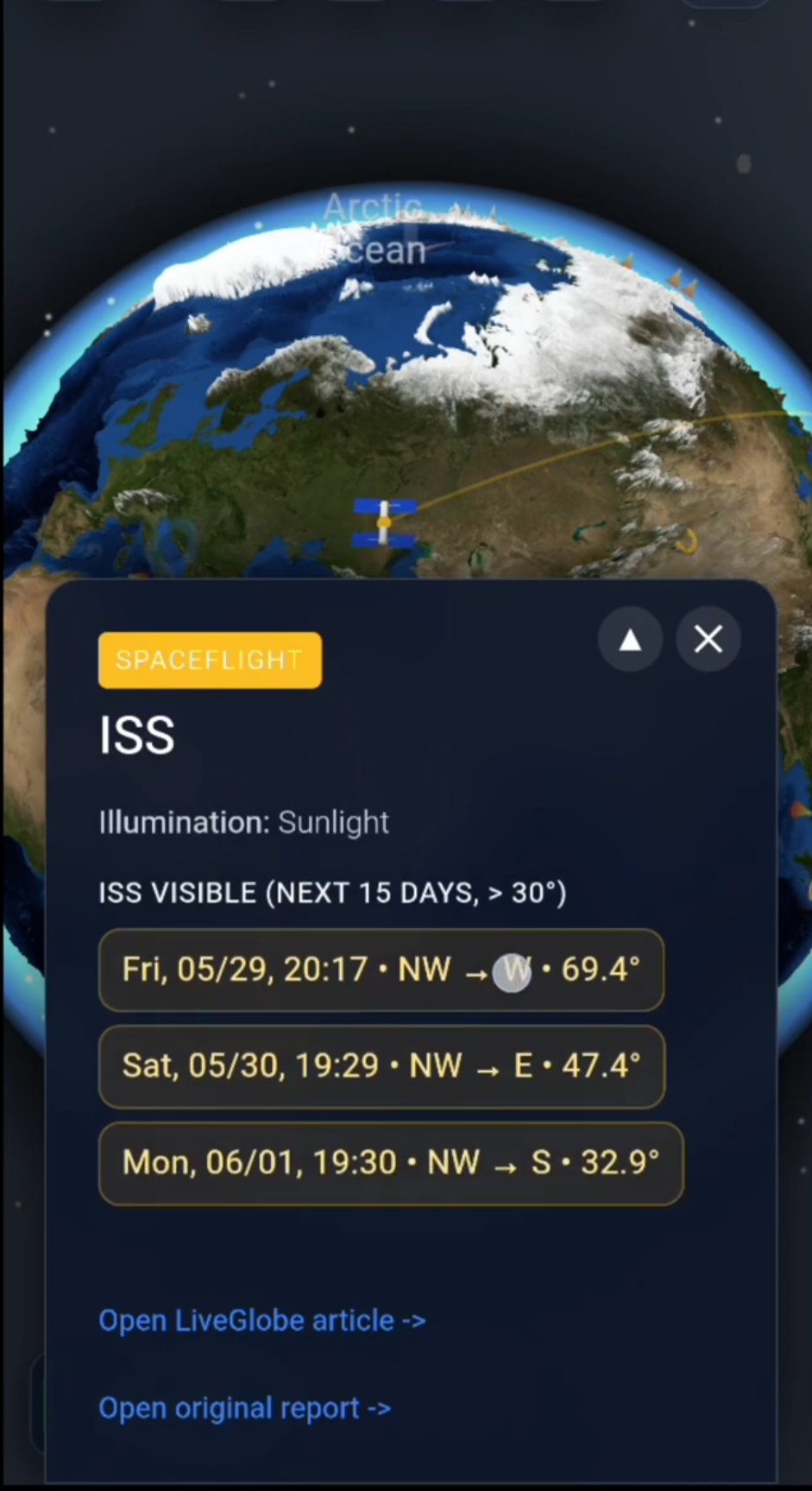
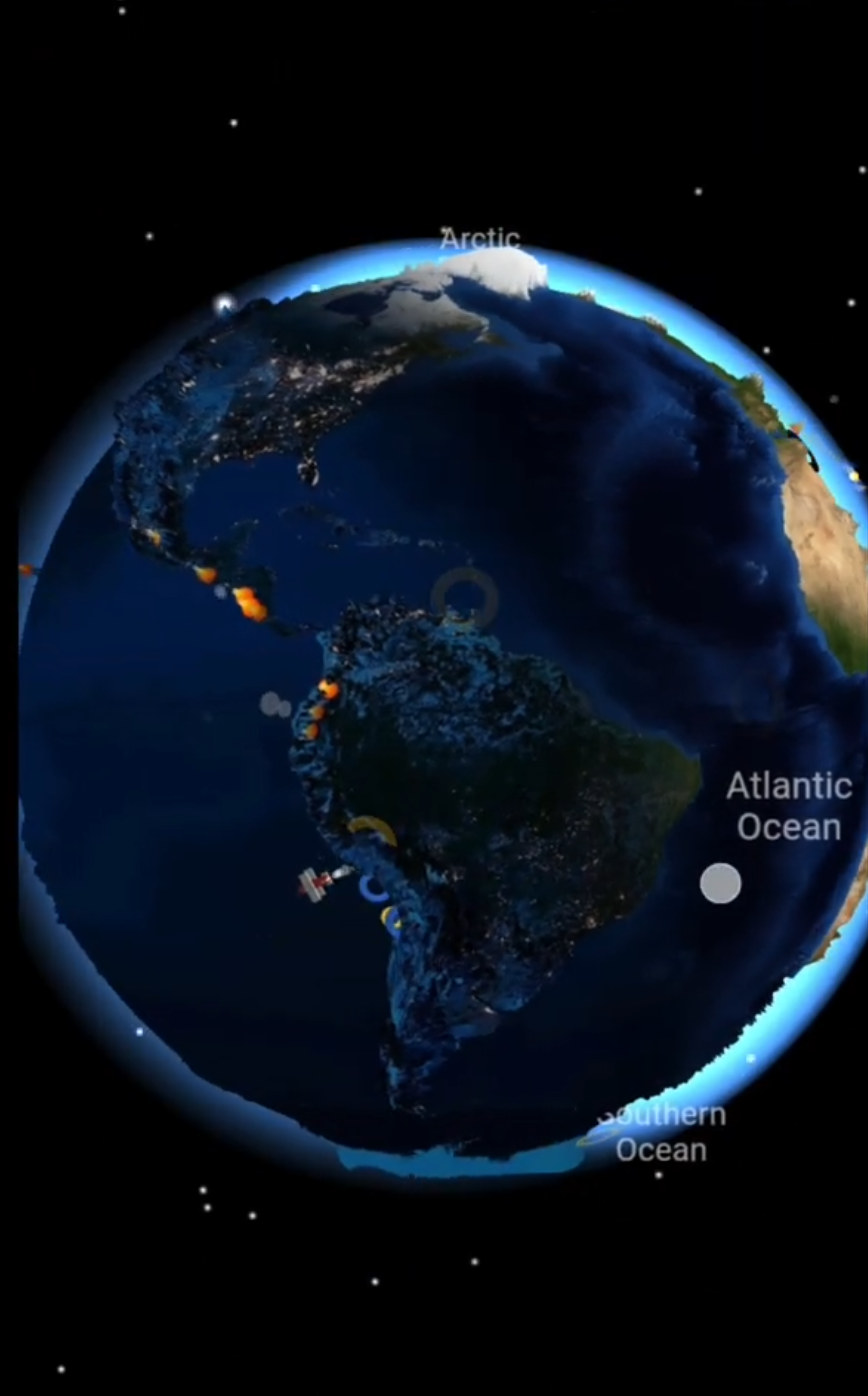
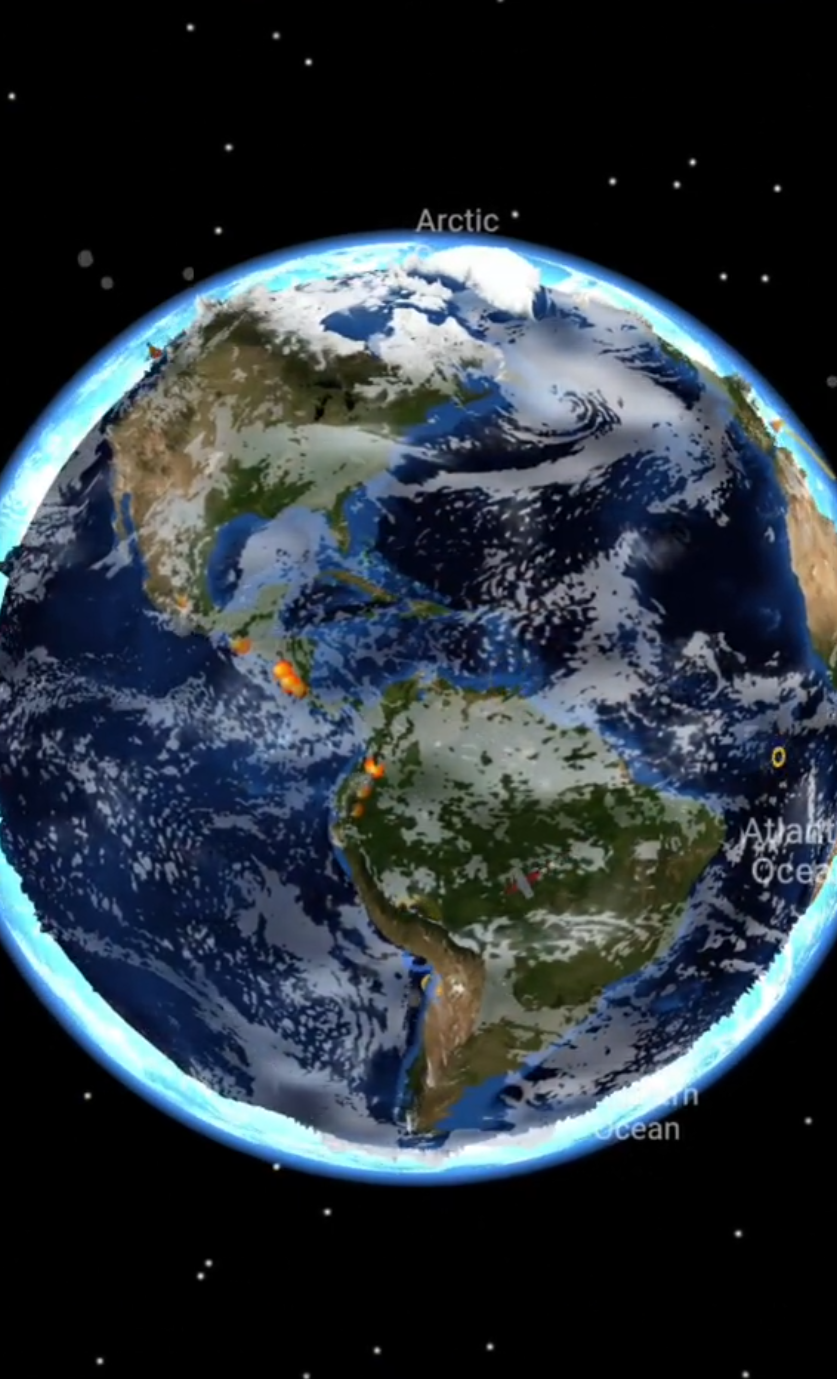
Try comparing the equator with a point farther north while imagining the globe turning through sunlight. LiveGlobe 3D offers a rotatable, zoomable globe with optional equator and latitude lines in its settings. It can help you orient those places; it is not a calibrated equinox clock or daylight-length calculator. Access and available views depend on technical and account conditions.
For other ways to explore Earth visually, see the existing climate and environment overview. The key distinction remains: an equinox is a geometric instant; daylight measured between sunrise and sunset depends on a visible Sun and our atmosphere. Explore the available LiveGlobe 3D views for spatial context, and use astronomical tables for local times.